
Loose-flowered hornbeam
Carpinus laxiflora
Description
Growing requirements
The loose-flowered hornbeam (Carpinus laxiflora) is a deciduous tree species within the Betulaceae family. It is native to the forests of Japan and Korea, where it thrives in temperate climates characterized by distinct seasons.
This species requires deep, fertile, and well-drained soils to reach its full potential. While it exhibits a preference for moist conditions, it is intolerant of waterlogging, which necessitates careful site selection or the installation of an efficient drainage system before planting.
Regarding climatic requirements, the tree performs best in locations that receive ample sunlight but are sheltered from harsh, drying winds that can cause early leaf desiccation, especially in juvenile specimens during their first few years of growth.
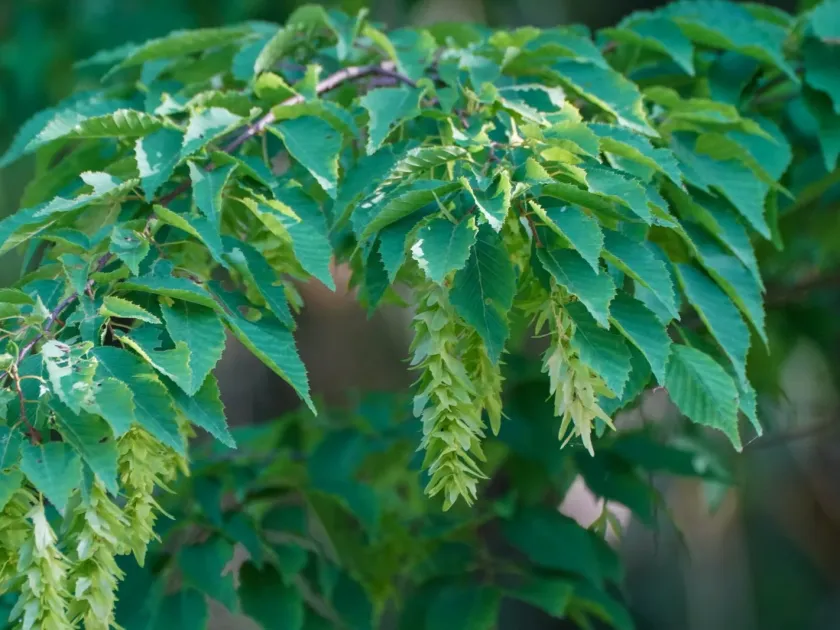
Botanically, Carpinus laxiflora is recognized by its smooth, greyish-brown bark and slender, gracefully drooping branches. Its leaves are small and ovate, contributing to an elegant appearance that makes this tree highly desirable for ornamental purposes.
In terms of economic use, the tree is primarily valued in horticulture and landscape design for its ability to form dense, attractive canopies. Its wood is known for its high density and strength, although it is more commonly preserved for amenity planting rather than commercial timber production.
Main diseases and pests
The primary diseases affecting this species include powdery mildew and various leaf spot pathogens, which typically proliferate in conditions of high humidity combined with poor airflow within the tree's canopy.
Insect pests such as leaf-eating caterpillars and aphids can pose a significant challenge during the spring flush, requiring regular monitoring and integrated pest management strategies to maintain tree health.
Root system issues are often linked to poor soil structure or excessive irrigation. Implementing proper mulching and avoiding soil compaction around the base of the trunk are essential practices to prevent root rot and general decline.
Mechanical damage to the trunk or branches should be minimized during routine maintenance, as open wounds can invite secondary fungal or bacterial infections that are difficult to eradicate once established.
Regular pruning is advised to remove dead or diseased wood. This practice not only improves the structural integrity of the tree but also enhances ventilation, significantly reducing the likelihood of fungal outbreaks.