
Japanese hornbeam
Carpinus japonica
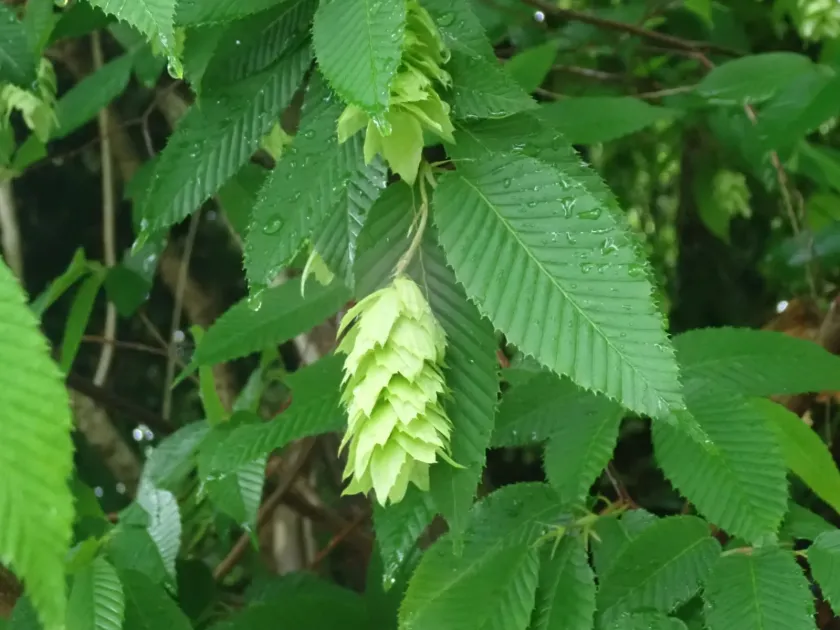
Description
Growing requirements
The Japanese hornbeam (Carpinus japonica) is a distinct deciduous tree species belonging to the Betulaceae family. Native to the mountainous forests of Japan, it is highly prized for its unique, hop-like fruit clusters and deeply veined, pleated foliage.
Botanically, this species is noted for its slow growth and dense, pyramidal crown structure. Its leaves are lanceolate and serrated, providing a lush green appearance during the growing season and transforming into a rich yellow hue in the autumn.
For optimal growth, this tree requires deep, fertile, and well-drained soil. It thrives best in environments with a neutral to slightly acidic pH, similar to the leaf-mold enriched forest floor conditions found in its natural habitat.
Japanese hornbeam prefers partial shade or dappled sunlight. While it can adapt to some direct sunlight, it is crucial to protect the roots from drying out by applying a generous layer of organic mulch around the tree base.
As a landscape specimen, it is exceptionally hardy but needs consistent moisture during its early development years. Once established, it becomes a resilient architectural tree suitable for medium-sized gardens and urban parks.
Main diseases and pests
The primary diseases affecting Japanese hornbeam include powdery mildew and occasional leaf spot fungi. These typically occur when trees are planted in areas with stagnant air circulation or excessively high humidity levels.
Pests that may cause concern include aphids, scale insects, and various leaf-eating caterpillars. In hot, dry summers, spider mites may become a localized issue, particularly if the tree is experiencing moisture stress.
Effective management begins with proper spacing and regular pruning to maintain an open canopy. Good airflow is the most efficient natural defense against most fungal pathogens that thrive in dense foliage.
In cases of heavy infestation, specific pesticides or horticultural oils should be applied according to professional guidelines. Always ensure that treatment is carried out during favorable weather conditions to maximize efficacy.
Maintaining high soil fertility and adequate watering schedules helps the tree remain vigorous and resistant to stress. Monitoring the undersides of leaves during the growing season is a recommended practice to detect early signs of pest colonies.