
Korean hornbeam
Carpinus coreana
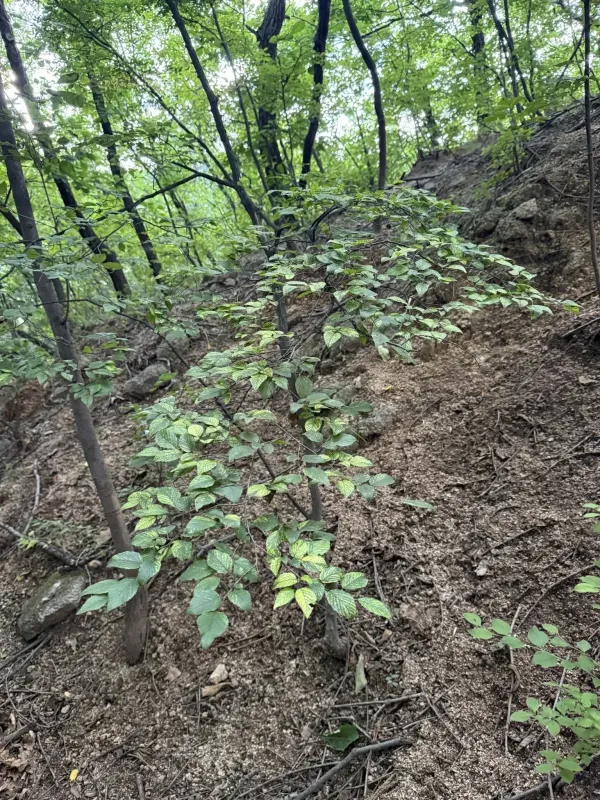
Description
Growing requirements
The Korean hornbeam (Carpinus coreana) is a deciduous tree or shrub belonging to the Betulaceae family. It is highly valued in horticulture for its fine texture, delicate foliage, and excellent potential for aesthetic landscaping.
This species is native to the Korean Peninsula, where it typically grows in mountainous regions. It thrives in well-drained, fertile soils with a neutral to slightly acidic pH, preferring habitats that offer consistent moisture throughout the growing season.
Regarding climate requirements, the Korean hornbeam prefers temperate conditions. It is relatively hardy, yet benefits from shelter in areas with harsh, desiccating winds that can damage tender spring foliage.
Botanically, the species is characterized by its small, serrated leaves and characteristic catkins. Its compact, dense growth habit makes it a superior choice for bonsai and intricate topiary designs, as it responds well to pruning.
The primary economic and aesthetic use of this plant lies in landscape design, specifically for formal hedges and ornamental garden features. Its slow growth rate is an advantage for maintaining specific, desired shapes over long periods.
Main diseases and pests
While the Korean hornbeam is generally resilient, it can be susceptible to powdery mildew if planted in locations with poor air circulation and high ambient humidity.
Leaf-eating insects, such as aphids and certain caterpillar species, may cause localized damage during the early summer months, affecting the plant's overall aesthetic value.
Root rot is a potential threat primarily caused by waterlogged soil conditions, making the provision of adequate drainage a critical component of the planting process.
Management of these threats involves regular monitoring of the foliage and implementing preventive pruning to ensure adequate airflow and sunlight penetration into the center of the canopy.
Maintaining a healthy, mulched root zone helps regulate soil temperature and moisture, significantly improving the plant's ability to resist common environmental stresses and pathogens.