
Virginia round-leaf birch
Betula uber
Description
Growing requirements
The Virginia round-leaf birch (Betula uber) is a rare species within the Betulaceae family. It is historically significant as a tree that was once thought to be extinct before its rediscovery in the late 20th century.
Native exclusively to Smyth County, Virginia, in the United States, this species thrives in riparian zones. It requires specific moist, rocky soil conditions found along stream banks to maintain its biological health.
The climate requirements include a temperate forest environment with stable moisture levels and cool ambient temperatures. The species does not adapt well to suburban landscapes or disturbed soil environments, making in-situ conservation essential.
Agrotechnical management is primarily focused on botanical research and preservation efforts. Propagation requires precise stratification of seeds and careful monitoring of seedlings to ensure they reach maturity in protected environments.
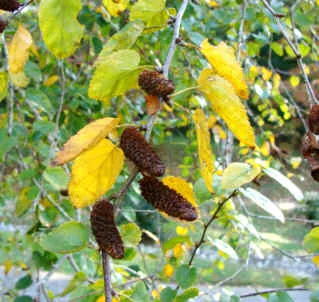
Botanically, Betula uber is distinct due to its unique leaf shape and bark texture. It is a slow-growing deciduous tree that relies on very specific ecological niches to compete with other faster-growing vegetation in its native habitat.
Main diseases and pests
The primary threat to the Virginia round-leaf birch is its extremely limited range, which makes the entire species vulnerable to localized environmental catastrophes.
Invasive pests, most notably the bronze birch borer (Agrilus anxius), pose a catastrophic threat to the health of the trees, often leading to rapid decline in infested individuals.
Pathogenic threats include various fungal infections that flourish in the humid, shaded environments where these birches grow, often attacking bark and root systems.
Human activities, such as hydrological changes in the watershed or soil compaction from nearby development, can rapidly degrade the fragile stream-side habitats necessary for the tree's survival.
Due to the small population size, the species suffers from limited genetic diversity, which increases the susceptibility of the remaining trees to disease outbreaks and climate instability.