
Schmidt's birch
Betula schmidtii
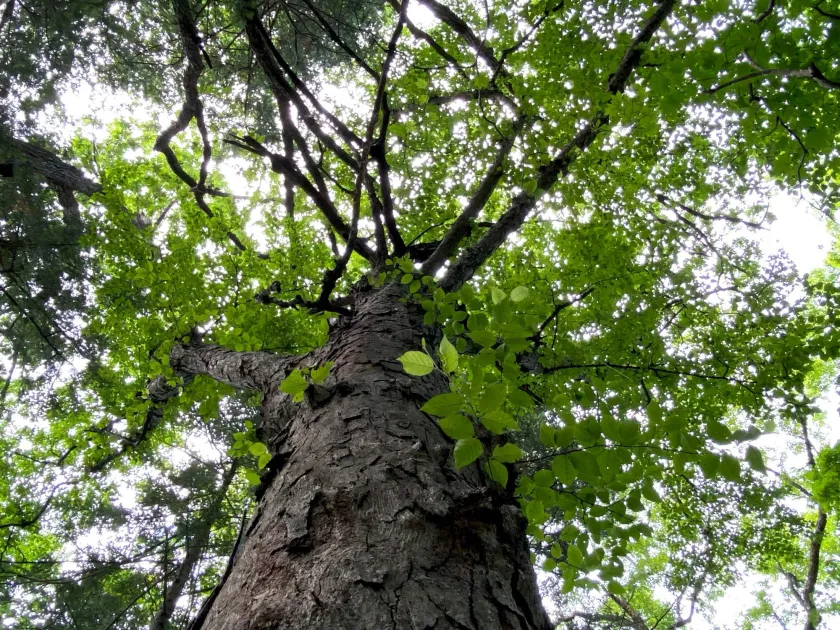
Description
Growing requirements
Schmidt's birch (Betula schmidtii), also known as the iron birch, is a distinct species within the Betulaceae family. It is globally recognized for the exceptional density and hardness of its timber, which is among the hardest types of wood found in the birch genus.
The native range of this species extends across East Asia, including Japan, Korea, northeastern China, and the Russian Far East. It typically thrives in rocky mountain terrains where the soil composition allows for excellent drainage and mineral availability.
In terms of cultivation, the tree requires full sun exposure to maintain its growth rates and overall vitality. It is highly intolerant of waterlogged soils, necessitating the selection of well-drained planting sites to prevent root rot and ensure optimal health.
Agronomic practices for this culture emphasize the need for professional seed stratification before sowing. Proper handling of the seeds is crucial, as the germination rate can be influenced significantly by temperature fluctuations during the cold treatment period.
The economic utility of Schmidt's birch is focused on its specialized timber, which has high durability and resistance to wear. Beyond industrial use, it serves as a valuable specimen in arboretums and landscapes, prized for its longevity and aesthetic appeal.
Main diseases and pests
Pathogenic fungi represent a primary threat to the health of these trees, particularly in managed forest settings. Preventive measures, such as maintaining stand density and avoiding bark damage, are essential to minimize the risk of infection.
Insect pests, including various wood-boring beetles, can weaken established trees. Integrated pest management, which includes biological control methods and monitoring, is recommended to protect the integrity of the wood and the overall survival of the stand.