
Sandberg birch
Betula sandbergii
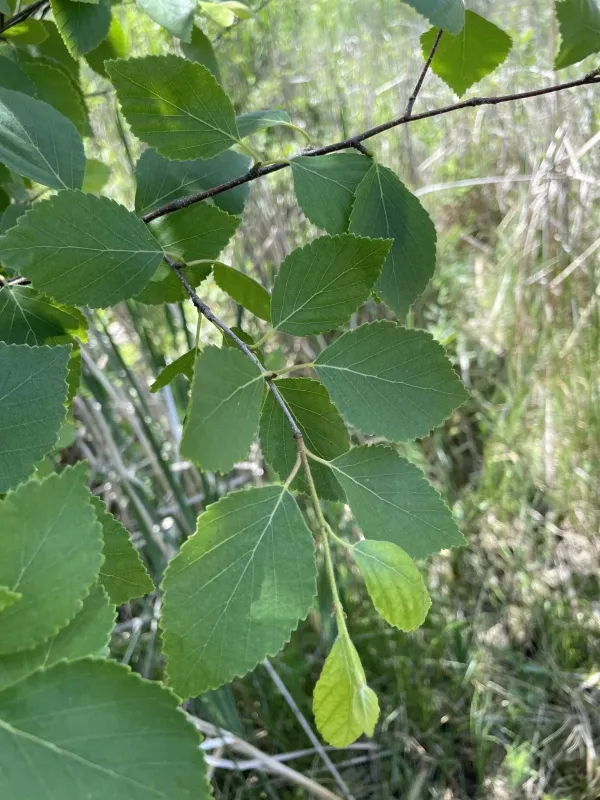
Description
Growing requirements
The Sandberg birch (Betula sandbergii) is a natural hybrid between the paper birch and the dwarf birch, belonging to the Betulaceae family. This plant possesses unique morphological traits, combining the frost resistance and resilience of both parent species.
The species is characterized by medium size, often taking a shrubby or tree-like form. Its leaves have a specific texture and shape inherited from northern ancestors, making the crop resistant to harsh climatic conditions in temperate-cold regions.
Successful growth of the plant requires well-drained but sufficiently moist soils. The crop prefers areas with a neutral or slightly acidic soil reaction, avoiding waterlogging in the root system.
The Sandberg birch adapts well to open spaces and is light-demanding. In terms of agrotechnology, it is important to provide the plant with sufficient sunlight, as shading can significantly reduce crown attractiveness and growth rates.
The economic use of the species is primarily focused on landscape gardening and reforestation in northern regions. Due to its adaptability, it is a promising candidate for creating windbreaks and decorative plantings in parks.
Main diseases and pests
The main threats to this species are associated with fungal diseases, such as rust and leaf spots, which occur in high humidity. Regular monitoring of the foliage helps prevent the spread of infections.
Among pests, the greatest danger is posed by leaf-eating insects, including the birch sawfly and various caterpillars. During mass outbreaks of pests, trees can lose their decorative value and slow down development.
Damage to the bark by xylophagous insects that penetrate the wood of weakened trees is also possible. Preventive measures include maintaining general tree health, proper fertilization, and pruning damaged branches.
It is important to monitor the state of the root collar to avoid rot caused by high groundwater levels. During dry periods, young plants require additional watering, as soil desiccation reduces the tree's immunity.
For disease control, the use of modern fungicides is recommended, while systemic insecticides are effective against pests. A comprehensive protection strategy ensures the longevity and aesthetic appeal of the plantings.