
Radde's birch
Betula raddeana
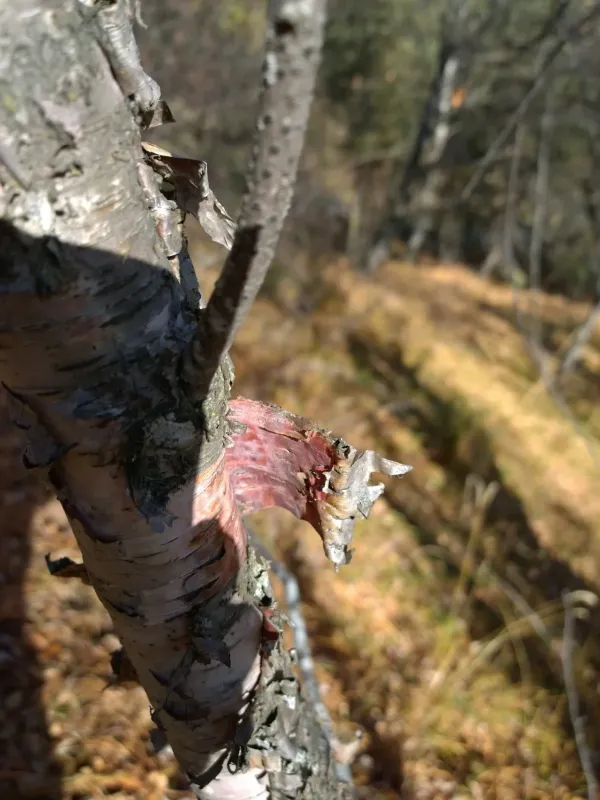
Description
Growing requirements
Radde's birch (Betula raddeana) is a distinctive species belonging to the family Betulaceae. It is native to the high-altitude regions of the Greater Caucasus, representing a specialized form of mountain flora.
This tree requires specific ecological conditions to thrive, typically growing at elevations between 1500 and 2500 meters, where it is adapted to cold temperatures and high humidity levels.
In terms of soil requirements, Radde's birch prefers well-drained, nutrient-rich mountain soils, often growing on rocky or stony slopes that provide the necessary drainage for its roots.
Cultivation of this species requires careful attention to site selection, as it does not adapt well to low-altitude environments or regions with prolonged summer droughts and heat stress.
The agricultural and ecological value of this birch lies in its ability to stabilize mountain slopes, preventing soil erosion in areas with difficult terrain and harsh climatic conditions.
Main diseases and pests
The primary threats to Radde's birch populations include climate change, which pushes suitable habitats higher up, and increasing levels of land use near mountain regions.
Pathogenic fungi are a significant threat to tree health, especially when trees are weakened by environmental stress or physical damage to the trunk or branches.
Various insect pests, such as wood-boring beetles, can cause localized damage, particularly in dense stands where the trees are more susceptible to infestations.
Overgrazing by livestock in mountain pastures poses a direct threat to the natural regeneration of the species, as young saplings are often damaged or destroyed by animals.
Conservation efforts must focus on protecting existing stands and implementing strict management practices to ensure the long-term survival of this ecologically vital species.