
Purpus birch
Betula purpusii
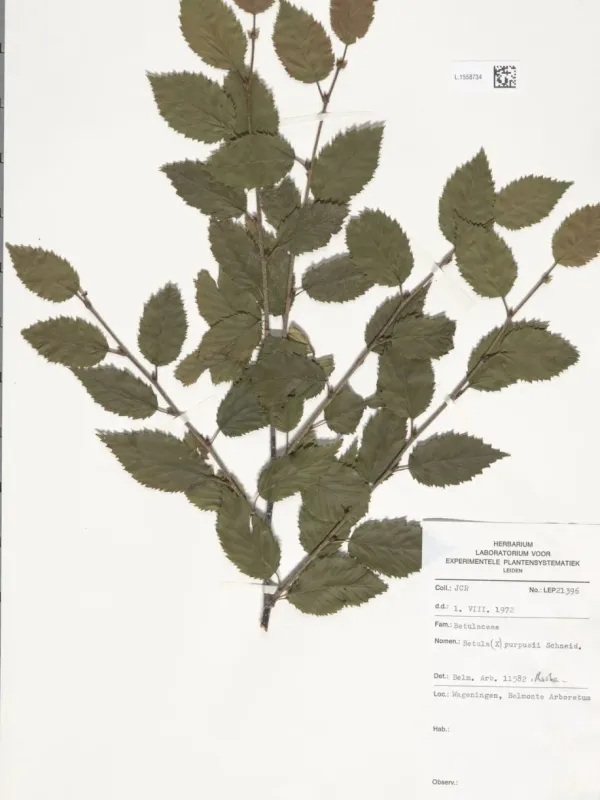
Description
Growing requirements
Purpus birch (Betula purpusii) is a natural hybrid resulting from the cross-pollination of the yellow birch (Betula alleghaniensis) and the swamp birch (Betula pumila). It is a member of the Betulaceae family and represents a unique combination of traits inherited from its parents.
The species is native to the northeastern parts of North America, typically found in wet, boggy environments and swampy habitats. It thrives in regions with cool summers and cold winters, showcasing a remarkable ability to survive in challenging northern ecosystems.
The cultivation of this species requires well-lit locations with consistent soil moisture levels. Unlike many other tree species, it requires a steady supply of water during the growing season and does not perform well in arid, dry environments that experience prolonged droughts.
Ideal soil conditions involve rich, organic, slightly acidic substrates. While the plant loves moisture, ensuring proper drainage is crucial to prevent root rot, especially in younger plants that are still establishing their root systems in the new environment.
Maintenance involves routine pruning to shape the tree and promote healthy foliage growth. Mulching around the base is highly recommended as it preserves soil moisture levels and protects the shallow roots from excessive heat during mid-summer months.
Main diseases and pests
The tree can be susceptible to common fungal diseases, including various leaf spots and powdery mildew, which thrive in humid conditions. Maintaining good air circulation within the canopy is the most effective cultural method to reduce the risk of infection.
Insect pests, particularly leaf miners and certain types of beetles, can pose a threat to the overall aesthetic value of the tree. Integrated pest management strategies should be applied to control populations without causing harm to the local ecosystem.