
Potanin birch
Betula potaninii
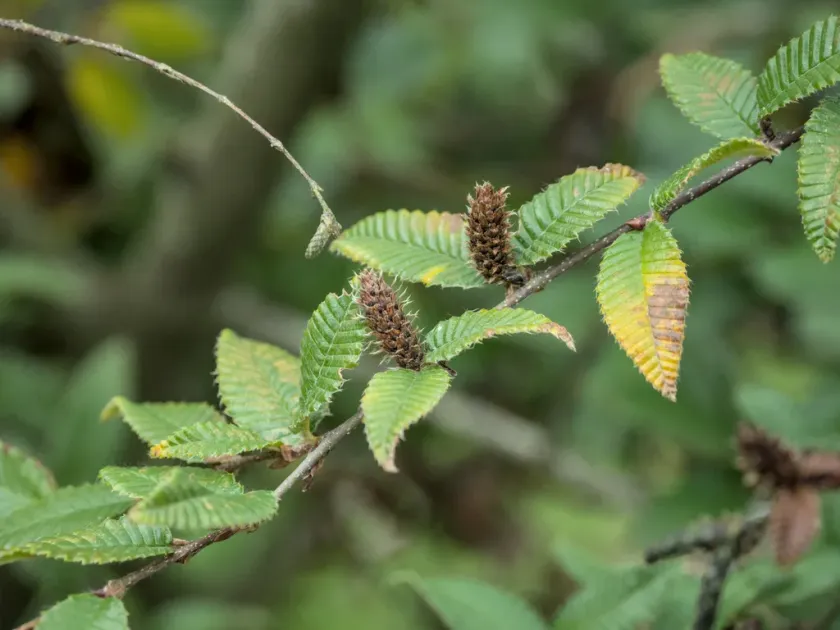
Description
Growing requirements
The Potanin birch (Betula potaninii) is a deciduous tree species belonging to the Betulaceae family. It is native to the mountainous regions of China, particularly within the provinces of Sichuan and Gansu, where it thrives in alpine environments.
Botanically, this species is noted for its distinct foliage and graceful growth habit. Its leaves are generally ovate or rhombic in shape, contributing to its aesthetic appeal in woodland garden settings, which distinguishes it from more common, widespread birch varieties.
The tree has specific requirements for cultivation, preferring cool and moist climates that mimic its high-altitude origins. It thrives in well-drained, slightly acidic soil that is rich in organic matter. Sufficient soil aeration is critical to support its root health.
Regarding agrotechnology, planting should be done in a spot that provides plenty of light but protects the tree from strong, desiccating winds. Young plants require consistent watering during their establishment phase, especially in the early growing seasons.
In terms of usage, the Potanin birch is primarily valued for ornamental purposes. It is a prized specimen in arboretums and private collections due to its rarity and delicate appearance, often serving as an elegant focal point in managed landscapes.
Main diseases and pests
This species may be susceptible to powdery mildew, especially in environments with poor air circulation or excessive humidity. Ensuring proper spacing between trees and thinning out branches helps maintain a healthy airflow through the canopy.
Pests such as aphids and leaf-eating beetles can occasionally infest the foliage, particularly during warmer, drier summers. Monitoring the leaves for early signs of damage and applying targeted biological controls can keep infestations under control.
Root rot is a significant risk if the soil is poorly drained or if the tree is over-watered. It is essential to ensure that the site does not accumulate stagnant water, as the species prefers consistent moisture rather than saturation.
Winter damage, particularly sunscald on young bark, can weaken the plant and invite opportunistic pests. Wrapping the trunks of young birch trees or using protective coatings is a standard management practice in regions with significant temperature fluctuations.
Maintaining the overall vigor of the tree through balanced fertilization and mulch application helps the Potanin birch resist various pathogens. A well-nourished tree is significantly more resilient to the challenges posed by environmental stressors and occasional pest pressure.