
Water birch
Betula occidentalis
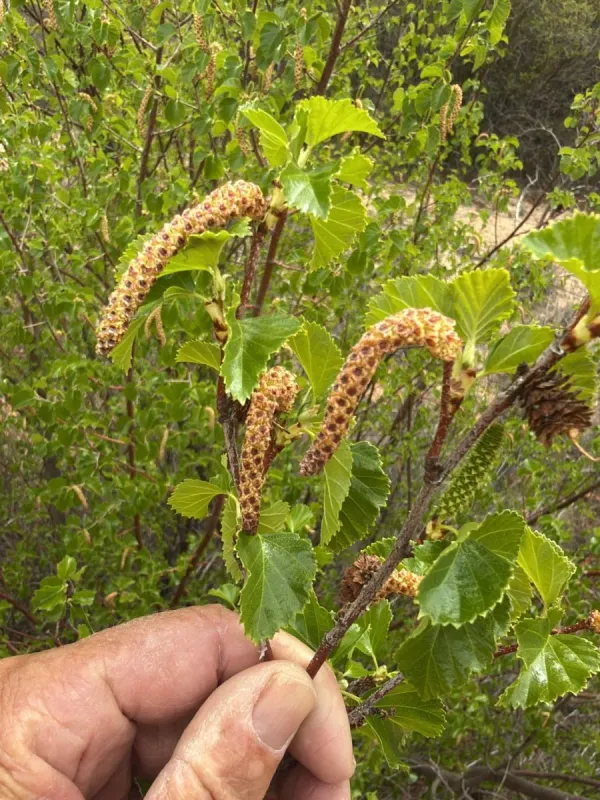
Description
Growing requirements
The Water birch (Betula occidentalis) is a deciduous tree species belonging to the Betulaceae family. It is native to the western parts of North America, where it typically thrives in riparian habitats and along mountain streams, showcasing its preference for high-moisture environments.
Botanically, this species is characterized by its reddish-brown to copper-colored bark, which often does not peel in large sheets like other birch species. It typically grows as a multi-stemmed shrub or a small-to-medium-sized tree, adapting its form to the surrounding environmental conditions.
Regarding soil requirements, Betula occidentalis prefers moist, well-draining soils with a neutral or slightly acidic pH. It demonstrates an impressive ability to colonize areas near water sources, utilizing the available moisture to maintain rapid growth throughout the season.
Climatic adaptability is one of the key strengths of this species. It is well-suited for regions with significant seasonal temperature fluctuations and shows resilience against the harsh environmental conditions characteristic of mountain valley ecosystems.
Agronomic management of the crop includes maintaining proper spacing during planting to ensure adequate light exposure. In horticultural settings, it is often utilized for bank stabilization and restoration projects due to its dense root system that effectively prevents soil erosion.
Main diseases and pests
The primary threats to Betula occidentalis include leaf rust and various fungal pathogens that thrive in environments with high ambient humidity or poor air circulation within the tree canopy.
Insect pests, such as bronze birch borers, represent a significant concern for the vitality of the tree. These borers attack the cambium layer, which can lead to crown dieback and eventually the decline of the entire specimen if left untreated.
Management practices for these threats include integrated pest management strategies, such as physical monitoring of the bark and the strategic use of insecticides during the insects' adult emergence phases.
Proper pruning is essential to remove dead or diseased branches, which helps to maintain the overall vigor of the tree and prevents the establishment of fungal colonies that can spread across the grove.
Maintaining soil health through appropriate fertilization and ensuring the trees are not under long-term drought stress is critical for enhancing their natural defense mechanisms against common forest pests and diseases.