
Dark birch
Betula obscura
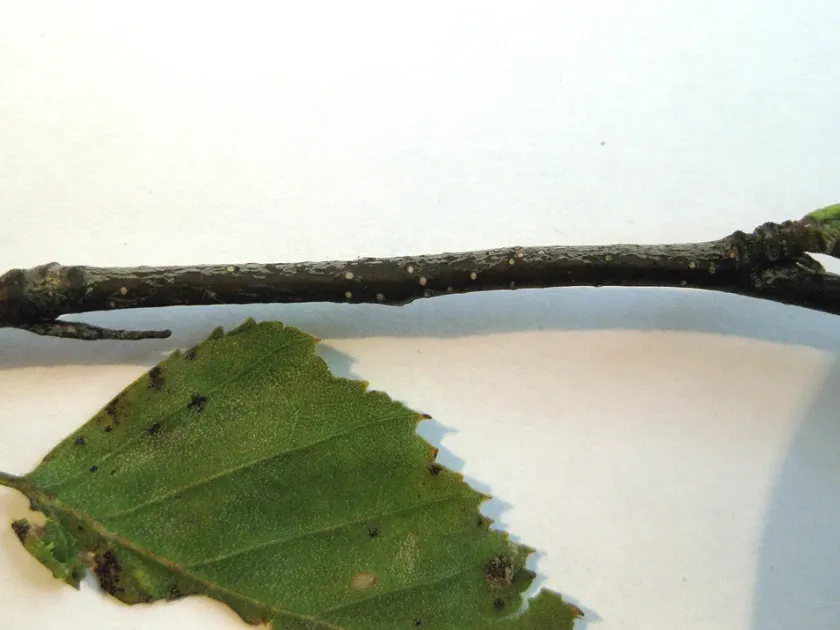
Description
Sowing dates
Dark birch seeds are typically sown in the autumn shortly after collection to take advantage of the natural overwintering process in the soil, which breaks their dormancy.
For spring planting, seeds must undergo cold stratification in a refrigerator or a controlled environment at temperatures between 0 and 5 degrees Celsius for at least two to three months.
Seeds should be sown in prepared nursery beds with light, well-draining soil. Because the seeds are tiny, they should be scattered on the surface and barely covered with a thin layer of sand or fine peat.
Maintaining consistent soil moisture is crucial during the germination phase. The nursery area should be shaded to prevent the delicate seedlings from drying out under direct sunlight.
Once seedlings have developed their first true leaves, they should be thinned to ensure adequate spacing, allowing them to grow strong root systems before being transplanted to the field.
Growing requirements
Betula obscura, belonging to the Betulaceae family, thrives in moderately fertile and well-drained soils. It is highly adaptable and can be found growing in diverse forest environments.
The species is distinctly light-demanding. To achieve optimal height and structural integrity, it requires planting sites that receive full sun for most of the day, avoiding dense forest canopy.
Dark birch is recognized for its significant frost tolerance, making it an excellent choice for reforestation projects in temperate and northern climatic regions.
It prefers soils that are slightly acidic to neutral. While it can tolerate intermittent moisture, it does not perform well in waterlogged conditions where roots may suffer from lack of oxygen.
For ornamental purposes, provide ample space for the root system to expand. The tree works well in landscapes that provide natural mulch and organic matter accumulation.
Yield
The productivity of Dark birch is measured by the quality and volume of timber produced. With proper forest management and regular thinning, trees reach commercial maturity in 40 to 60 years.
The wood of Betula obscura is highly valued in the furniture and woodworking industries for its density, consistent grain, and excellent finishing properties.
Beyond timber, the species contributes to forest biodiversity and soil stabilization, making it a valuable component of sustainable forest management practices.
Strategic silvicultural interventions, such as pruning lower branches, can improve the quality of the main trunk, leading to higher yields of premium-grade wood.
Sustainable harvesting ensures that the yield does not exceed the forest's regeneration capacity, maintaining a healthy balance between extraction and reforestation.
Main diseases and pests
Dark birch can be susceptible to various fungal pathogens, such as powdery mildew and leaf rust, especially in areas with poor air circulation and high humidity.
Insect pests, including birch leaf miners and various wood-boring beetles, can pose a risk to tree health by damaging leaves or tunneling into the stems.
Integrated pest management, including monitoring and timely application of targeted treatments, is essential to keep these populations under control in commercial plantations.
Maintaining tree vigor through proper site selection and soil fertility management acts as the best natural defense against most common diseases and insect infestations.
- Routine inspection of bark for borer holes.
- Fungicide applications during high-humidity seasons.
- Removal of dead wood to prevent pest habitats.
Harvesting
Harvesting usually occurs during the dormant winter season when sap flow has ceased, ensuring the highest wood quality and reducing the risk of splitting during processing.
Modern harvesting techniques prioritize minimizing damage to the surrounding forest floor and nearby young trees, supporting natural regeneration after the mature trees are removed.
Logs are graded based on their diameter and quality, then transported to processing facilities for conversion into lumber, veneer, or pulpwood.
Efficient utilization of the whole tree, including branches and residues, is a standard practice in modern forestry to maximize value and minimize waste.
Following the harvest, foresters evaluate the site to decide whether to allow natural seeding or to initiate a new cycle of artificial planting to ensure the forest remains productive.