
Michaux's birch
Betula michauxii
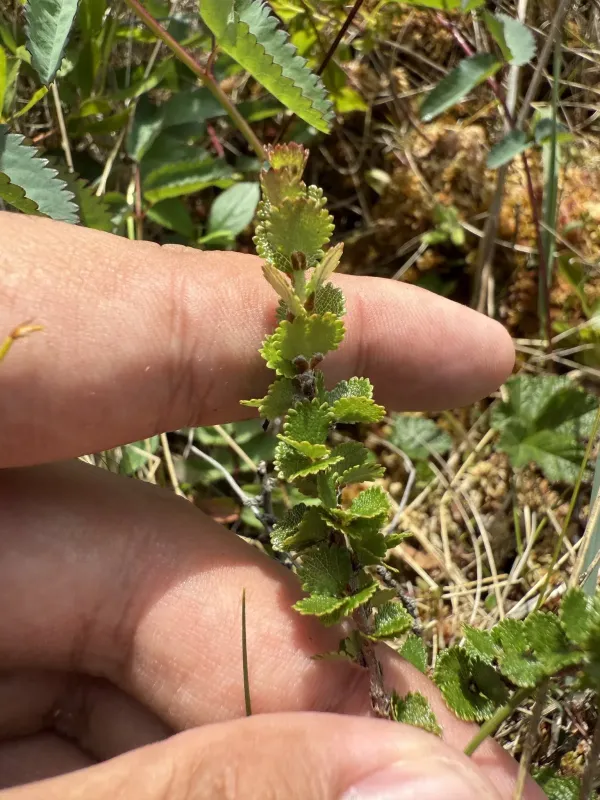
Description
Growing requirements
Michaux's birch (Betula michauxii) is a distinct species of dwarf shrub belonging to the Betulaceae family. Unlike typical birch trees, this plant is adapted to extreme northern environments, growing as a prostrate or low-growing shrub in subarctic conditions.
The native distribution of this species is centered in eastern Canada, particularly within the provinces of Newfoundland and Labrador. It typically thrives in peatlands, bogs, and rocky barrens, reflecting its high tolerance for acidic and nutrient-poor soils.
Botanically, Betula michauxii is characterized by its small, rounded, serrated leaves and a woody habit that hugs the ground. It is perfectly evolved for wind-swept landscapes where taller woody vegetation cannot establish a foothold.
Cultivation requirements for this species are specific: it demands a moist, acidic substrate, ideally consisting of sphagnum peat. It is not a drought-tolerant plant and requires consistent irrigation to replicate its natural boggy habitat.
In landscaping, this birch serves as an excellent specimen for rock gardens and cold-climate bog gardens. Its slow growth and compact architecture make it a prized plant for specialists looking to maintain authentic high-latitude ecological displays.
Main diseases and pests
The primary threats to the health of Michaux's birch include specialized defoliating insects that target the Betula genus. Aphids and sawfly larvae can significantly stress the plant by consuming foliage during the peak summer months.
Fungal diseases such as leaf rust and powdery mildew present a challenge, especially in regions with high humidity. Proper airflow and avoiding overcrowding are essential strategies to minimize the impact of these common airborne pathogens.
Root health is vital for this species, as it is susceptible to Phytophthora root rot when soil drainage is poor despite its love for moisture. Balancing moisture retention with sufficient oxygenation of the soil is a critical challenge for the gardener.
Small mammals, particularly voles and mice, can cause significant damage during the winter months. Because the shrub is often covered by snow, these pests can feed on the bark and stems, potentially girdling the plant and killing it.
Integrated pest management (IPM) is the most sustainable approach for maintaining the health of Michaux's birch. Regular monitoring and the application of organic treatments are preferred over broad-spectrum chemical pesticides to ensure the longevity of the plant.