
Monarch birch
Betula maximowicziana
Description
Growing requirements
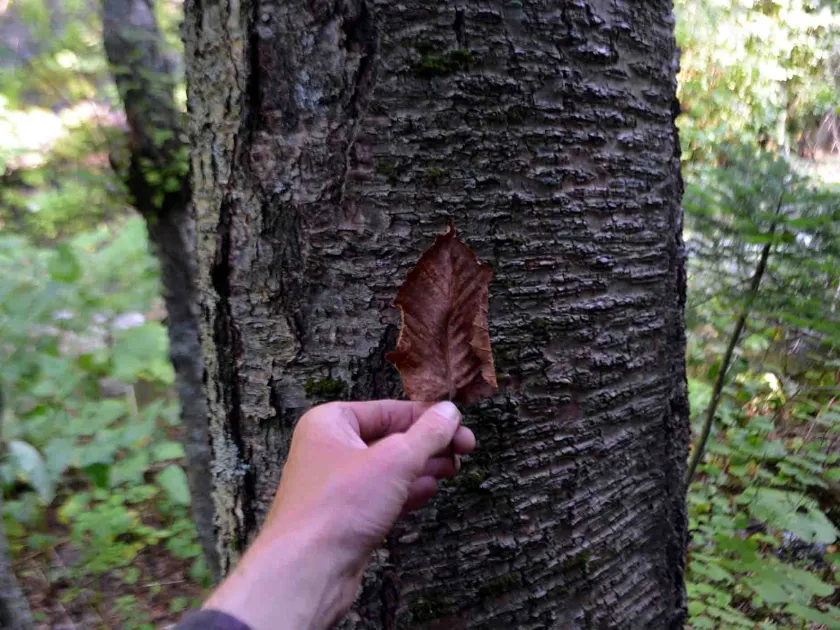
The Monarch birch (Betula maximowicziana) is a distinctive member of the Betulaceae family, native to the forests of Japan. It is known for its large, heart-shaped leaves and distinct, peeling bark, making it one of the most robust species within the genus.
This species thrives in deep, fertile, and well-drained soils. It exhibits a strong requirement for consistent moisture levels, though it cannot tolerate waterlogged conditions which often lead to root rot and long-term decline of the specimen.
Climatic requirements focus on cool summers and high humidity. It is perfectly adapted to temperate regions but tends to struggle in areas characterized by intense, prolonged heat or severe drought, which can lead to scorch and premature leaf drop.
In terms of agricultural management, regular maintenance of the soil structure around the root zone is crucial. Avoid compacting the area surrounding the base, and use organic matter or mulch to preserve soil moisture and regulate temperature fluctuations.
Economically, the Monarch birch is valued for its high-quality timber, which is relatively hard and durable compared to other birch species. It is widely used in high-end cabinetry, flooring, and decorative interior woodwork.
Main diseases and pests
The main pathological threats include various types of leaf spot and anthracnose, which are prevalent in areas with high summer humidity or poor air circulation within the canopy.
Insect pests such as leaf miners and birch sawflies are the most significant threats to young plantations, often causing cosmetic damage and reducing the overall growth rate of the tree.
Borer insects present a severe threat to mature trees, especially those suffering from environmental stress or drought, as they target the internal layers of the bark and trunk.
Effective management includes integrated pest control strategies, such as systemic insecticide applications and constant monitoring of the tree trunks for any signs of frass or entry holes.
Maintaining a healthy, stress-free growing environment through appropriate spacing and irrigation is the best preventative measure against most major biotic threats to this species.