
Luminiferous birch
Betula luminifera
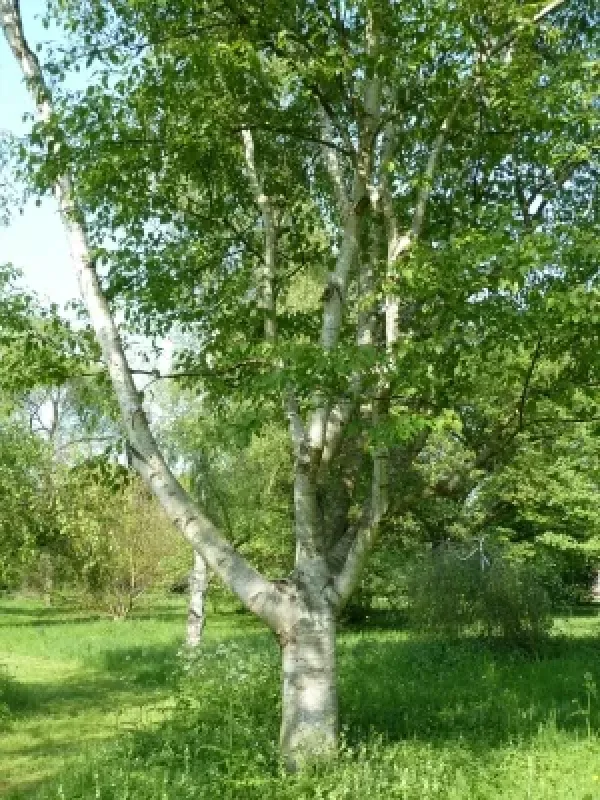
Description
Sowing dates
Propagation of Betula luminifera is primarily achieved through seeds. Seeds should be harvested at peak maturity when the catkins turn brown, typically occurring in late summer or early autumn.
For nursery sowing, well-drained substrate is highly recommended. While the seeds exhibit high germination rates, cold stratification is essential to ensure uniform and rapid sprouting.
Sowing in rows is the preferred method in commercial nurseries, allowing sufficient spacing between lines to facilitate maintenance and weed control efforts during the early stages.
Young seedlings require shading during their initial months to protect them from intense sunlight, which can quickly desiccate their delicate and sensitive root systems.
Transplanting to a permanent location should be performed during the tree's deep dormant phase, preferably in early spring before the start of active sap flow.
Growing requirements
Betula luminifera, a member of the Betulaceae family, naturally thrives in mountainous regions with a temperate climate. The species prefers sunny locations, though young individuals can tolerate partial shade.
The tree has specific soil requirements, favoring deep, moist, yet well-aerated loam soils that are rich in organic matter to support vigorous growth.
Excessive soil moisture or stagnant water is detrimental, as it can cause root rot. Therefore, planting in areas with high water tables should be strictly avoided to ensure tree longevity.
The optimal temperature range for growth is between 15 and 25 degrees Celsius. While generally frost-hardy, younger trees may require protection from sudden late spring frosts.
Wind protection is vital for cultivating straight trunks. Exposure to strong, persistent winds can cause mechanical damage to the canopy and hinder the structural development of the tree.
Yield
The primary economic use of this culture is the production of high-quality timber. Under proper management, the tree shows rapid biomass accumulation and excellent growth potential.
Modern forestry practices utilize specific spacing and thinning regimes to produce premium lumber, ensuring the trees grow straight and free of major defects.
The wood of this birch species is highly valued for its density and uniform grain, making it a sought-after raw material in furniture manufacturing and fine woodworking industries.
Beyond timber production, the species is frequently used in landscape design, where it is appreciated for its elegant bark texture and graceful foliage throughout the season.
Yield efficiency depends heavily on planting density and the systematic application of mineral fertilizers, which maintain the tree's health throughout its developmental stages.
Main diseases and pests
Fungal infections represent the primary threat to plantations, especially when trees are grown in high-humidity conditions with insufficient airflow between their canopies.
Among insect pests, leaf-eating insects like birch sawflies and various moth species are the most dangerous, as they can cause significant defoliation of the trees.
Winter damage to the bark by rodents can weaken the trees and provide entry points for pathogens and wood-boring insects, significantly reducing the quality of the timber.
To mitigate these risks, regular sanitary pruning of diseased or dead branches is recommended to restrict the spread of harmful microorganisms and maintain plantation health.
The use of chemical protective agents should be limited to instances of significant pest outbreaks or severe disease pressure within intensive tree nursery environments.
Harvesting
Harvesting is best conducted during the winter months when sap flow is minimal, reducing the moisture content of the timber and simplifying the subsequent drying and processing.
Effective logging operations utilize heavy machinery for felling and bucking to meet specific dimensional and quality requirements dictated by the timber market.
Sustainable forest management principles, including selective logging and natural regeneration support, are crucial to maintaining the ecosystem and ensuring future plantation cycles.
Careful logistics during transport are essential to prevent mechanical damage to the logs, preserving the integrity and market value of the harvested wood products.
Stored timber must be kept under cover, protected from direct sunlight and precipitation, while ensuring constant air circulation to achieve proper seasoning and prevent decay.