
Sweet birch
Betula lenta
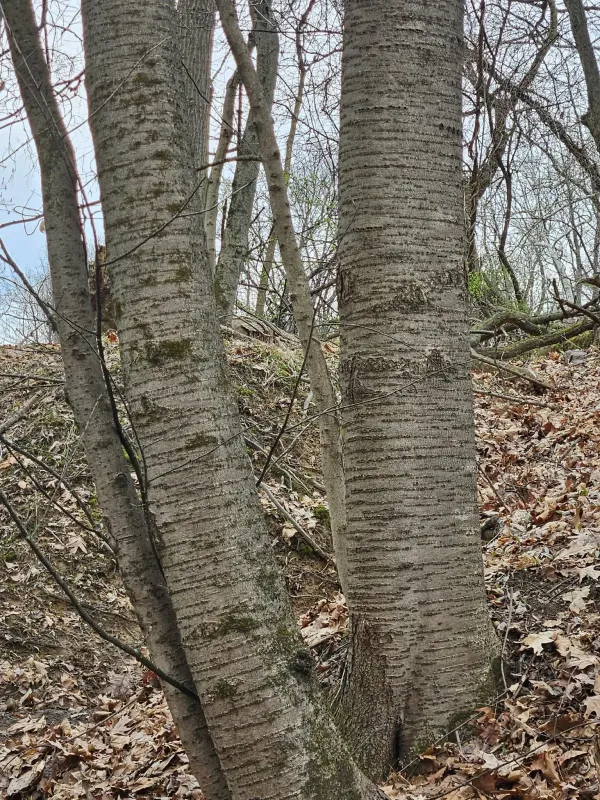
Description
Growing requirements
Betula lenta, commonly known as sweet birch or cherry birch, is a species in the Betulaceae family. Native to eastern North America, this tree is distinguished by its dark, aromatic bark and high-quality timber.
The tree thrives in cool, temperate climates and requires deep, well-drained, and nutrient-rich soils. It prefers acidic or neutral substrates and does not tolerate soil compaction or waterlogging, which can severely hinder its root development.
Successful cultivation involves choosing a site that receives sufficient sunlight. While it can adapt to partial shade in its juvenile stage, full sunlight is essential for optimal growth rates and the development of the characteristic crown shape.
Agrotechnical practices focus heavily on moisture management during the establishment phase. Consistent watering is crucial during dry spells to prevent root desiccation and promote vigorous branch development.
Beyond its landscape value, Betula lenta has significant economic importance. Its wood is dense and attractive, frequently utilized in furniture manufacturing, cabinetry, and internal flooring, making it a valuable crop for forestry management.
Main diseases and pests
The primary threats to sweet birch include fungal pathogens such as leaf spot and various types of rust. These infections are often exacerbated by poor air circulation and high humidity levels around the tree canopy.
Insect pests, including wood-boring beetles and aphids, pose a risk to the health of the tree. Keeping the trees healthy and free from drought stress is the most effective preventive strategy against these infestations.
Invasive pathogens like the bronze birch borer, while more common in other species, can occasionally affect weakened Betula lenta trees. Regular inspections for exit holes on the bark are recommended as part of routine maintenance.
Root rot is a potential danger if the soil drainage is inadequate. Ensuring a proper planting depth and avoiding mulching directly against the trunk are essential precautions for healthy root systems.
Integrated pest management, including the removal of infected plant debris and the use of appropriate chemical controls, is advised if disease or pest populations reach an economic or aesthetic threshold.