
Delavay's birch
Betula delavayi
Description
Growing requirements
Delavay's birch (Betula delavayi) is a distinct species within the Betulaceae family, originating from the high-altitude regions of southwestern China. This tree is highly regarded in horticulture for its unique botanical traits and adaptation to alpine environments.
The cultivation of this species requires a climate with cool summers and sufficient humidity, mimicking its native montane habitats. It is essential to choose planting sites that provide protection from extreme heat and desiccating winds, which can stress the tree significantly.
Regarding soil conditions, Betula delavayi thrives in well-drained, slightly acidic, and fertile soils rich in organic matter. Proper soil aeration is vital, as the species is intolerant to compacted ground or sites prone to chronic waterlogging, which often leads to root suffocation.
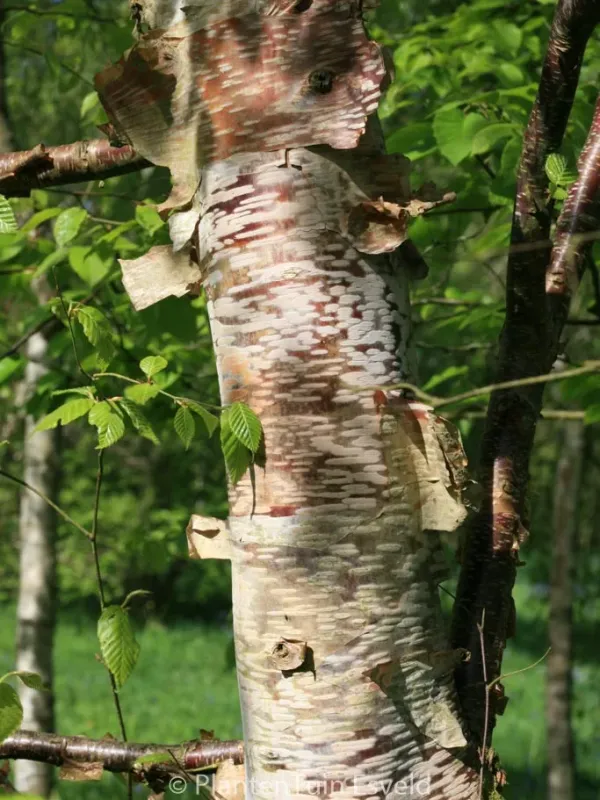
Botanically, the species is characterized by its elegant foliage and distinct bark texture, often becoming a focal point in arboretums. Its growth rate is moderate, requiring consistent monitoring of moisture levels during the establishment phase to ensure long-term vitality.
In terms of economic and practical use, it serves primarily as a specialty ornamental plant for collectors and botanical gardens. Its rare status makes it a significant asset for biodiversity conservation projects aimed at preserving high-elevation woody plants.
Main diseases and pests
The primary threats to Betula delavayi include fungal infections such as root rot, which are exacerbated by poor drainage and excessive soil moisture. Preventive strategies should prioritize maintaining optimal aeration around the root zone at all times.
Leaf-feeding insects, including various types of moths and beetles, pose a recurring challenge during the growing season. Integrated pest management practices, such as encouraging natural predators, are recommended to maintain tree health without relying solely on chemical treatments.
Bacterial canker is another serious concern, especially if the tree experiences mechanical damage or stress from environmental fluctuations. Proper wound management and sanitizing pruning tools are essential to prevent the spread of pathogens between plants.
Small mammals and rodents can cause significant damage to the bark of young specimens during winter months. Protecting the base of the trunk with wire mesh or specialized guards is a standard and effective practice for maintaining specimen integrity.
Finally, improper site selection leading to exposure to late spring frosts can damage delicate new shoots. Selecting sheltered micro-climates within the landscape is a crucial step in preventing such seasonal injuries and ensuring robust growth.