
Costata birch
Betula costata
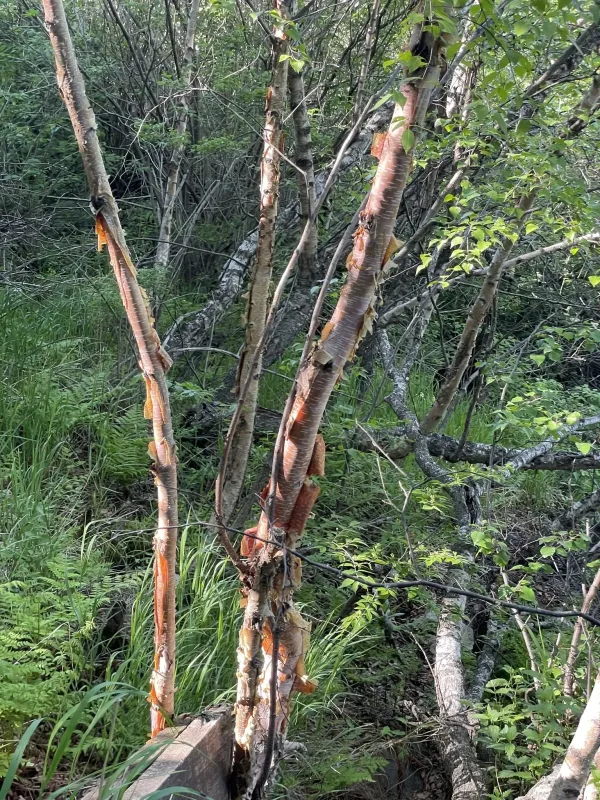
Description
Sowing dates
The sowing of Costata birch seeds is best performed in the autumn or early spring following a necessary stratification period. Stratification for up to 60 days in cold conditions significantly enhances seed germination rates.
In nursery settings, seeds should be sown at a shallow depth of approximately 0.5 centimeters. It is recommended to mulch the surface with peat or sawdust to maintain consistent moisture levels and prevent soil crusting.
Careful attention must be paid to irrigation during the initial germination phase as the seedlings are highly sensitive to drought. Thinning should be conducted once the true leaves appear to ensure sufficient space for individual plant development.
Transplanting to the permanent site is most effective when the saplings are two to three years old. Planting in the early spring, before buds break, promotes better establishment and survival rates in the new environment.
Utilizing container-grown seedlings can significantly reduce transplant shock and improve overall tree vigor. This method protects the root system and allows for a more flexible planting schedule in varying forest conditions.
Growing requirements
Costata birch is a member of the Betulaceae family known for its high shade tolerance compared to other birch species. It thrives best in fresh, nutrient-rich, and well-drained loam or sandy-loam soils.
Its natural habitat spans the Russian Far East, Northeast China, Korea, and Japan, where it typically grows in river valleys and on mountain slopes. The species requires high air humidity for optimal growth and vitality.
The tree is sensitive to soil compaction and waterlogging, which can easily impair root function. Ideally, the soil should have a slightly acidic to neutral pH level with excellent aeration characteristics.
Young trees require protection from intense direct sunlight and strong winds during their early development. Mature specimens are highly cold-hardy, well-adapted to the harsh winters of the monsoon climate regions.
Periodic organic fertilization in nursery conditions helps maintain soil fertility and seedling health. It is advisable to avoid planting this species in heavily polluted urban or industrial areas as it does not tolerate poor air quality.
Yield
This culture is a vital forest-forming species capable of producing dense, high-yield stands. It demonstrates steady growth rates when provided with adequate moisture and appropriate soil conditions.
The wood of the Costata birch is prized for its exceptional hardness and strength, making it a high-value material in the furniture and flooring industries. It is also suitable for fine woodworking and high-quality construction applications.
Yield depends heavily on plantation density and early silvicultural management. When properly managed, the harvest of high-quality hardwood per hectare is significant, providing good economic returns for forestry enterprises.
Beyond its timber value, the tree provides critical ecological services, including slope stabilization and water resource protection. Its presence contributes to the overall biological resilience of the forest ecosystem.
Sanitary thinning and sustainable harvest practices ensure a continuous supply of wood while maintaining the health of the stand. The high demand for durable birch wood makes this species an attractive option for long-term forestry investment.
Main diseases and pests
Fungal infections, particularly heart rot pathogens that enter through bark wounds, are the primary biological threat. Proper wound care and the removal of infected material are essential to maintain stand hygiene.
Defoliating insects, such as specific moth larvae and sawflies, can weaken the trees during outbreak years, leading to reduced growth rates. Regular monitoring of canopy health is necessary to mitigate significant damage.
Bark beetles and other wood-boring insects tend to target stressed or damaged trees. Maintaining a healthy stand through appropriate density management is the most effective preventative measure against these pests.
Fungicidal treatments in nurseries can prevent the spread of common diseases during the vulnerable early stages of tree growth. Integrated pest management strategies are crucial for sustainable forest development.
Environmental stressors, such as severe ice storms or windthrow, can cause mechanical damage to branches and stems. Diversifying forest composition helps improve overall resistance to such natural disturbances.