
Coryl-leaved birch
Betula corylifolia
Description
Growing requirements
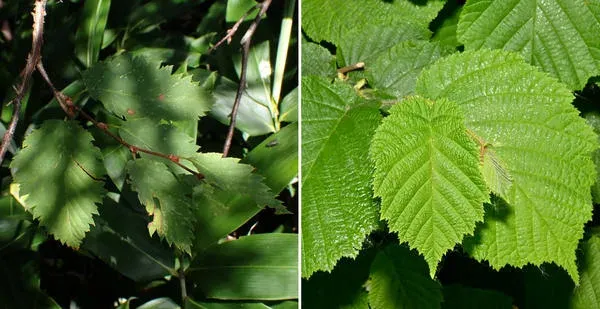
The Coryl-leaved birch (Betula corylifolia) belongs to the Betulaceae family. This deciduous tree is distinguished from typical birch species by its unique leaf blade shape, which resembles hazel leaves, hence the specific epithet that defines its taxonomy.
The natural range of this species is limited to the territory of Japan, where the tree grows in mountain forest zones. The culture prefers a moderately cool climate with adequate humidity levels and sites protected from strong winds, which are characteristic of mountainous terrain.
For successful growth, the tree requires well-drained, fertile soils with a neutral or slightly acidic pH. In gardening and reforestation, it is critical to avoid waterlogging, as the root system is highly sensitive to excessive moisture and oxygen deficiency in the soil profile.
Botanically, the plant is noted for its dense crown and smooth bark that develops an ornamental appearance as the tree matures. The leaves feature distinct venation and a characteristic oval or heart-shaped morphology, adding aesthetic value to any landscape design.
Economic use of this species is primarily focused on ornamental horticulture and dendrology, as well as breeding programs aimed at developing hybrids resistant to specific environmental stressors. While the wood is dense, as in other birch species, industrial harvesting is not conducted due to the rarity of this plant.
Main diseases and pests
Like many members of the Betula genus, this species is susceptible to damage by phytophagous insects, including birch bark beetles and various leaf beetles. These pests can reduce the aesthetic quality of the crown and weaken the overall vitality of the tree during mass outbreaks.
Fungal diseases, such as leaf rust and powdery mildew, pose a potential threat during periods of high atmospheric humidity. Prevention includes ensuring good air circulation within the canopy and the timely removal of infected plant debris from the site.
In nursery conditions, it is essential to monitor pathogen levels in the soil substrate to prevent root system infections by various types of rot. It is recommended to practice crop rotation and utilize high-quality, disease-free planting material.
Climatic stresses, such as sharp spring frosts, can damage young shoots and buds, necessitating the selection of sheltered locations for planting. The drought tolerance of this species is moderate, so additional irrigation is required during hot, dry periods.
General agronomic practices involve maintaining soil structure and mulching the base of the tree to preserve an optimal microclimate for the roots. With proper care, the tree is capable of maintaining its vitality for decades under conditions of introduction.