
Chinese birch
Betula chinensis
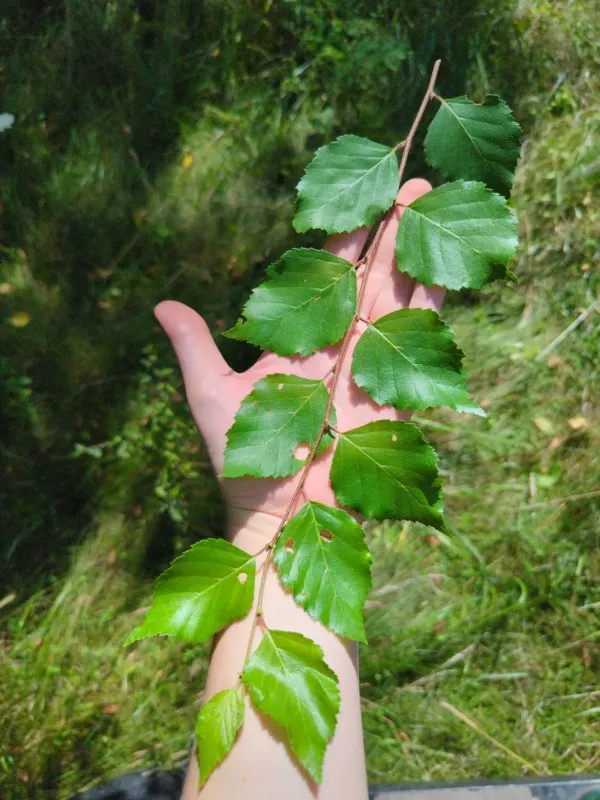
Description
Growing requirements
Chinese birch (lat. Betula chinensis) is a distinct species within the Betulaceae family, native to the mountainous regions of Northern China and the Korean Peninsula. Unlike its white-barked relatives, this species is noted for its dark, rugged bark and slow-growing, compact habit, making it an excellent choice for specialized landscapes.
Botanically, this birch is characterized by its stiff, oval-shaped leaves and dense crown structure. It can grow as a small tree or a large shrub, depending on the specific growing conditions and pruning methods applied by the gardener. It is highly valued in horticulture for its unique appearance and architectural potential.
In terms of agricultural requirements, this plant thrives in well-drained, fertile soils. One of its most notable traits is its tolerance for alkaline or limestone-based soils, which makes it a versatile option in areas where typical birches struggle to establish. Adequate mulching is recommended to maintain stable soil temperature and moisture levels.
Regarding climate, the Chinese birch prefers cooler temperate zones with distinct seasonal transitions. While it is hardy once established, young saplings should be protected from harsh, dry winds and extreme sun exposure during the first several years of growth to ensure successful root establishment.
The primary use of Betula chinensis is ornamental, often utilized in rock gardens or as a focal point in small residential landscapes. Its slow growth rate makes it a low-maintenance option for gardeners seeking a sophisticated, slow-developing specimen tree that brings a touch of wild East Asian scenery to the garden.
Main diseases and pests
Common phytosanitary issues include fungal infections of the bark and branches, such as cytospora canker. These conditions are typically exacerbated by poor air circulation or prolonged waterlogging, necessitating proper site selection and regular thinning of the inner canopy to allow for better airflow.
Pests that may impact the health of the tree include aphids and scale insects, which feed on young shoots and leaves. Monitoring the tree during the early spring and using horticultural oils or systemic insecticides can prevent significant damage and maintain the aesthetic quality of the foliage.