
Manchurian alder
Alnus hirsuta
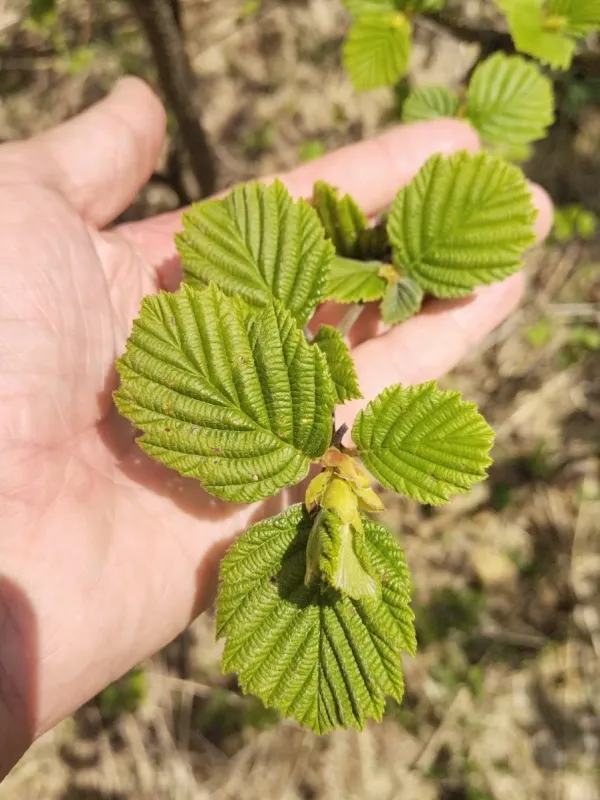
Description
Growing requirements
Manchurian alder (Alnus hirsuta) is a deciduous tree belonging to the Betulaceae family. Native to East Asia, this species is highly valued in forestry for its rapid growth rate and ability to colonize damp, challenging environments.
The species is well-adapted to cool and temperate climates. It demonstrates significant cold hardiness, allowing it to thrive in regions where other deciduous species might struggle during harsh winter conditions.
Regarding soil requirements, this tree prefers moist, fertile sites. It is frequently found near riverbanks, wetlands, and waterlogged areas. The soil should have a high organic content to support its vigorous root system and rapid biomass accumulation.
One of the most important biological features of Alnus hirsuta is its nitrogen-fixing capability. Through a symbiotic relationship with Frankia bacteria, the tree converts atmospheric nitrogen, effectively fertilizing the soil for itself and neighboring plants.
Cultivation practices focus on ensuring adequate sunlight. While it can tolerate some shade in early stages, it requires full sun to reach its potential in mature stands. Strategic spacing is essential to maintain airflow and reduce competition for nutrients.
Main diseases and pests
Alder leaf beetles represent a significant threat to the foliage, especially in dense plantations. Heavy infestations can lead to premature defoliation, which hampers the tree's ability to store energy for the next growing season.
Fungal pathogens causing bark necrosis are common in environments with drastic temperature fluctuations. These diseases often enter the tree through frost cracks or wounds caused by external mechanical stress.
Root rot, often caused by Phytophthora species, can be a major issue in sites where drainage is poor and water becomes stagnant for extended periods. Proper site selection and land preparation are the best preventative measures.
Wood-boring insects can attack weakened trees, causing structural damage. Regular monitoring and the removal of dying or significantly damaged trees help reduce the population of these pests within the forest stand.
Environmental stress, particularly prolonged drought, can significantly weaken the tree's immune system, making it more susceptible to various pests. Maintaining site moisture is crucial for the long-term health of an alder plantation.