
White alder
Alnus rhombifolia
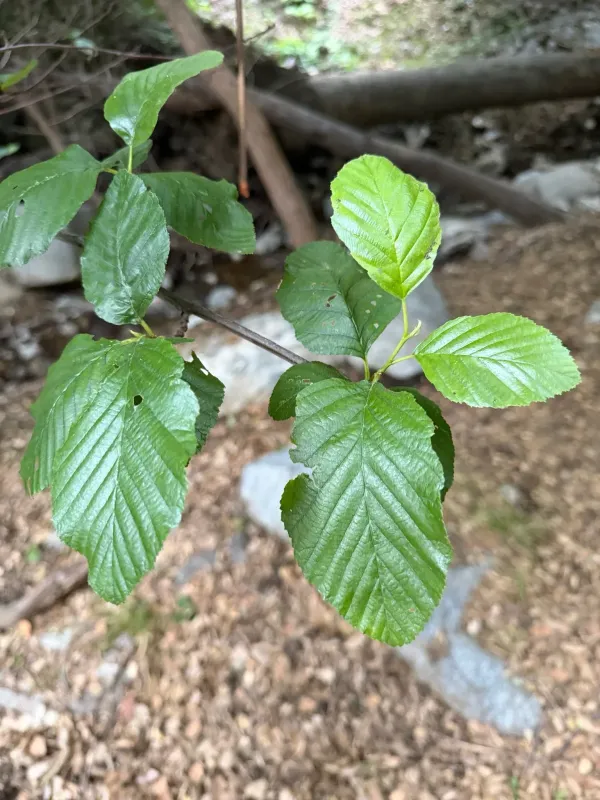
Description
Growing requirements
The White alder (Alnus rhombifolia) is a deciduous tree belonging to the Betulaceae family, native to the western regions of North America.
This species is well-known for its affinity for water and is typically found in riparian zones, along rivers, and in moist lowland areas where groundwater is accessible.
It flourishes in moderate climates, demonstrating significant vigor when provided with consistent soil moisture and protection from extreme seasonal drought.
Ideal growing conditions involve deep, well-drained alluvial soils, though the tree shows remarkable resilience to various soil textures and moderate moisture fluctuations.
A crucial biological trait is its nitrogen-fixing root nodules, which host Frankia bacteria, allowing the plant to thrive in nitrogen-poor soils and improve soil fertility for neighboring plants.
Main diseases and pests
The health of White alder populations is frequently challenged by fungal pathogens, most notably root rot caused by Phytophthora species.
Various insect pests, such as the alder flea beetle or wood-boring insects, can severely impact foliage and structural integrity during periods of ecological stress.
Changing environmental conditions, particularly persistent drought, increase the susceptibility of these trees to bark diseases and canker-causing fungi.
Effective management requires maintaining appropriate water levels in the riparian habitat to ensure the tree maintains natural defenses against opportunistic pests.
Proactive monitoring and the implementation of silvicultural practices are necessary to mitigate the spread of diseases and maintain the health of alder stands.