
Purpus alder
Alnus purpusii
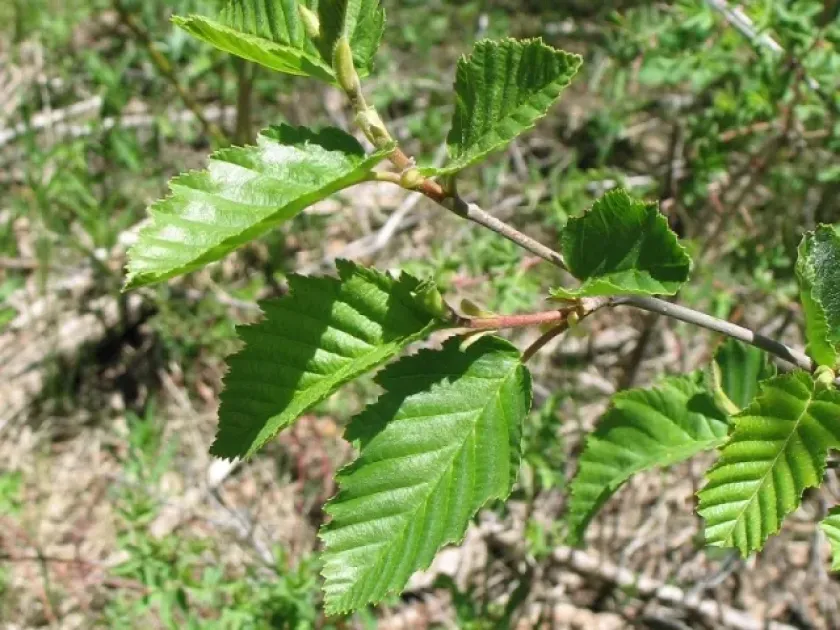
Description
Growing requirements
Purpus alder (Alnus purpusii) is a hybrid species belonging to the Betulaceae family, resulting from the cross between gray alder and Japanese alder. It is a highly valued ornamental tree that exhibits robust growth characteristics and a distinct foliage structure that makes it an attractive choice for various planting projects.
This species thrives in moist, fertile soil conditions. It is particularly well-suited for planting near water bodies or in areas with high water tables, as its root system is adapted to frequent moisture. Proper drainage is essential, however, to ensure the health and longevity of the tree.
Climatic requirements for Alnus purpusii include a preference for temperate climates with adequate rainfall throughout the growing season. While it is tolerant to cold weather, young trees should be protected from harsh, desiccating winds in open areas to maintain optimal physiological balance and aesthetic form.
Agrotechnical maintenance includes regular monitoring of soil moisture levels, especially during the first three years after planting. Fertilizing with balanced nutrients in early spring supports vigorous foliage development and ensures that the tree remains resilient against environmental stressors.
In terms of practical usage, Purpus alder is utilized extensively in landscaping for its rapid growth and ability to stabilize soil along slopes. It is also an excellent candidate for screen planting and windbreaks in large estates where moisture levels are sufficient for healthy long-term growth.
Main diseases and pests
The primary threats to the tree's health include fungal leaf spots and cankers, which can occur if the trees are planted in sites with poor airflow. Maintaining proper spacing between individuals is the most effective cultural practice to reduce the incidence of these fungal pathogens.
Pest issues often involve defoliating insects such as alder beetles and leaf miners. Integrated pest management strategies, including the use of systemic insecticides or biological controls, should be implemented if the population of these insects exceeds the economic threshold for tree health.