
Matsumura alder
Alnus matsumarae
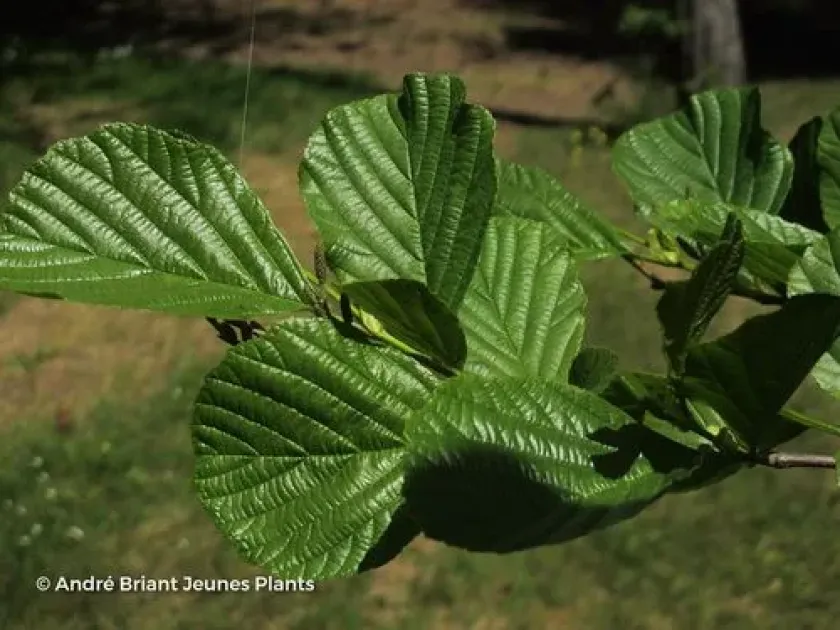
Description
Growing requirements
The Matsumura alder (Alnus matsumarae) is a member of the Betulaceae family. It is a deciduous tree native to the mountainous regions of Honshu, Japan, where it thrives in cool, humid environments.
The species prefers moist but well-drained soil types. It is particularly well-suited to slopes and areas with adequate water availability, showing great resilience in its native habitat conditions.
Regarding light, it thrives in full sun but can tolerate partial shade during its juvenile stages. A rich, loamy soil substrate is ideal for promoting healthy development and root system formation.
This tree is ecologically significant for its nitrogen-fixing capabilities. Through a symbiotic relationship with actinomycetes in its roots, it improves the nutrient status of the surrounding soil.
Its botanical structure includes distinct foliage and catkin characteristics. It is considered an important species for reforestation efforts and is valued in landscapes that mimic natural woodland ecosystems.
Main diseases and pests
Phytophthora root rot is the primary disease threat for Alnus matsumarae. This water-borne pathogen can cause significant damage to the root system, often leading to canopy thinning and mortality.
Leaf-eating beetles, such as the alder leaf beetle, are frequent pests. Large-scale infestations can cause severe defoliation, which hampers the tree's ability to store energy for the following season.
Stem-boring insects may also attack the wood of weakened trees, necessitating regular health inspections of the stands. Early intervention is key to preventing long-term structural damage.
To mitigate these risks, it is essential to ensure that trees are not subjected to chronic moisture stress or physical damage, which serve as entry points for various pathogens.
Maintaining a balanced ecosystem around the trees, including the promotion of beneficial predator insects, acts as a natural control mechanism against common defoliators.