
Anemopaegma insculptum
Anemopaegma insculptum
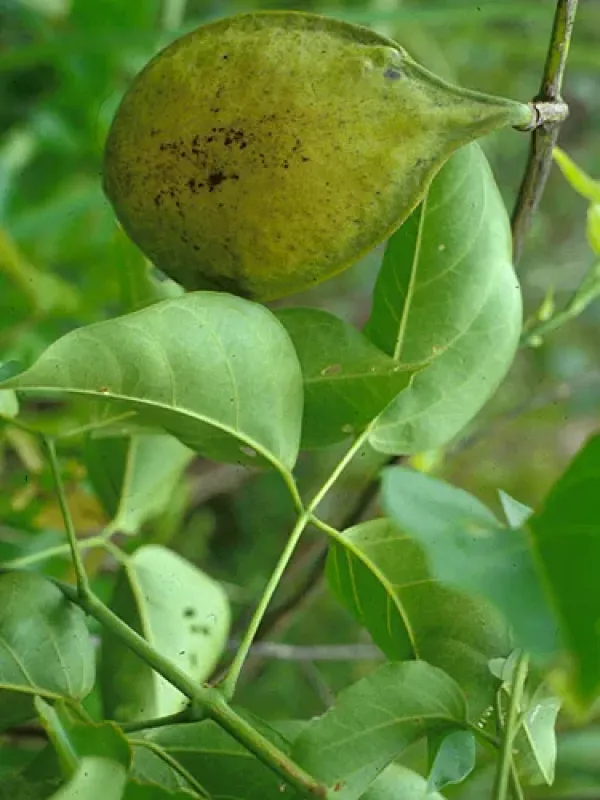
Description
Growing requirements
Anemopaegma insculptum is a vigorous woody vine belonging to the Bignoniaceae family. Originating from the lush tropical landscapes of South America, specifically Brazil, this species is highly valued for its rapid growth habit and ability to cover large structures.
The plant features distinct foliage, typically composed of trifoliate or bifoliate leaves with terminal tendrils that allow it to climb efficiently. Its structural integrity relies on these tendrils, which anchor the vine to various supports in its native habitat.
Regarding climate, the species is strictly tropical and requires constant warmth. It thrives in environments where temperatures remain consistently above 20 degrees Celsius, making it suitable for greenhouses or conservatories in non-tropical zones.
The soil requirements focus on high nutrient availability and drainage. A rich loam-based mix with added peat or compost provides the ideal balance for root development. Regular irrigation is necessary, provided that excess water can drain away freely.
Light exposure is a critical aspect of its agrotechnical needs. While it can handle partial shade, full filtered light encourages more robust flowering and foliage density, which is essential for the plant's ornamental and practical use.
Main diseases and pests
Spider mites represent a major challenge for this vine, especially in heated greenhouse conditions. They thrive in dry air, so maintaining ambient humidity levels is an effective preventative measure against their proliferation.
Mealybugs are another common threat, often hiding in the axils of the leaves or along the stems. Careful inspection and manual removal are often required in addition to appropriate horticultural oils or soaps.
Root rot, driven by stagnant water or anaerobic soil conditions, can severely damage the plant. It is imperative to maintain a strict balance between consistent moisture and soil aeration to avoid pathogen growth.
Fungal leaf spots are frequently caused by overhead watering, which keeps foliage wet for too long. To mitigate this risk, it is recommended to apply water directly to the root zone, keeping the canopy dry.
Aphid colonies may infest the soft, terminal growth during the spring flush. Swift intervention with systemic or contact insecticides helps ensure that the new growth remains healthy and free from feeding damage.