
Anemopaegma mirandum
Anemopaegma mirandum
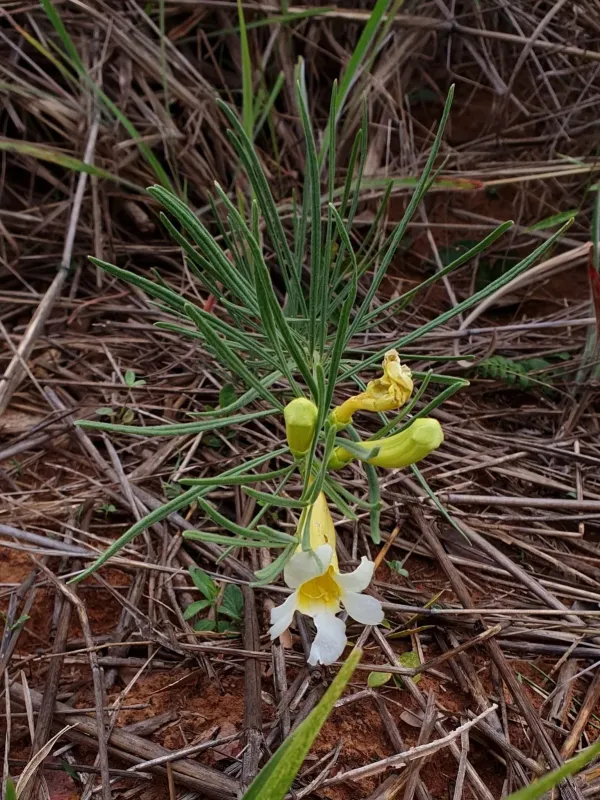
Description
Sowing dates
The propagation of Anemopaegma mirandum is typically achieved through stem cuttings, which is the most reliable method for maintaining the characteristics of the parent plant. Cuttings are best taken during the early spring when the plant is transitioning into its active growth phase.
For successful propagation, cuttings should be placed in a sterile, well-draining medium under conditions of high humidity. Maintaining a consistent temperature between 22 and 24 degrees Celsius will significantly improve the rooting rate of the cuttings.
Seed propagation is possible but is less common in agricultural practice due to the variable germination rates. Seeds should be sown shortly after ripening to ensure maximum viability, using a light substrate that prevents waterlogging.
Once seedlings have developed their first set of true leaves, they should be transplanted into individual containers. It is essential to use a potting mix that mimics their native tropical soil, which is rich in organic matter and slightly acidic.
Care should be taken during transplantation to avoid damaging the delicate root system, as the plant does not react well to root disturbance. Proper spacing in the nursery ensures adequate light exposure for all developing plants.
Growing requirements
Anemopaegma mirandum is a member of the Bignoniaceae family and is native to the tropical regions of South America. As an ornamental climber, it requires a robust support structure to thrive and display its aesthetic features effectively.
The plant demands a location with bright, filtered sunlight; direct exposure to intense midday sun can lead to leaf scorch. In indoor or greenhouse environments, providing good ventilation is crucial to prevent the buildup of stagnant air.
The soil should be fertile and porous, capable of holding moisture without becoming waterlogged. A mixture of loam, peat, and coarse sand or perlite provides the necessary drainage for healthy root development throughout the seasons.
Watering requirements vary with the season, with more frequent watering needed during the active growth periods. It is vital to ensure that the potting medium remains consistently moist, as severe drying can lead to premature leaf drop.
Regular fertilization with a balanced, water-soluble fertilizer helps maintain the plant's health and promotes vigorous growth. During the dormant winter period, fertilizer application should be suspended to prevent leggy, weak growth.
Main diseases and pests
Spider mites are the most significant pests for Anemopaegma mirandum, particularly when grown in conditions with low humidity. Infestations are often noticed by the appearance of fine webbing and mottled yellowing on the leaf surface.
Fungal issues, such as root rot, arise when the soil remains too wet for extended periods. This usually happens in poorly drained pots or when water is left standing in the saucer, leading to the rapid decay of the plant's vascular system.
Mealybugs can often hide in the leaf axils, sucking sap and creating sticky honeydew that attracts secondary fungal growth. Manual removal using cotton swabs dipped in alcohol is effective for minor infestations.
Powdery mildew may occur if the plant is grown in environments with poor air circulation and high humidity. Improving the spacing between plants and reducing ambient humidity are key cultural controls for managing this disease.
Regular monitoring and integrated pest management strategies are essential for the long-term success of the culture. Keeping the foliage clean by misting or wiping helps to deter many common pests and keeps the plant looking its best.