
Pachyveria Lilacina
Echeveria lilacina Kimnach & R. C. Moran x Pachyphytum coeruleum J. Meyrán
Description
Growing requirements
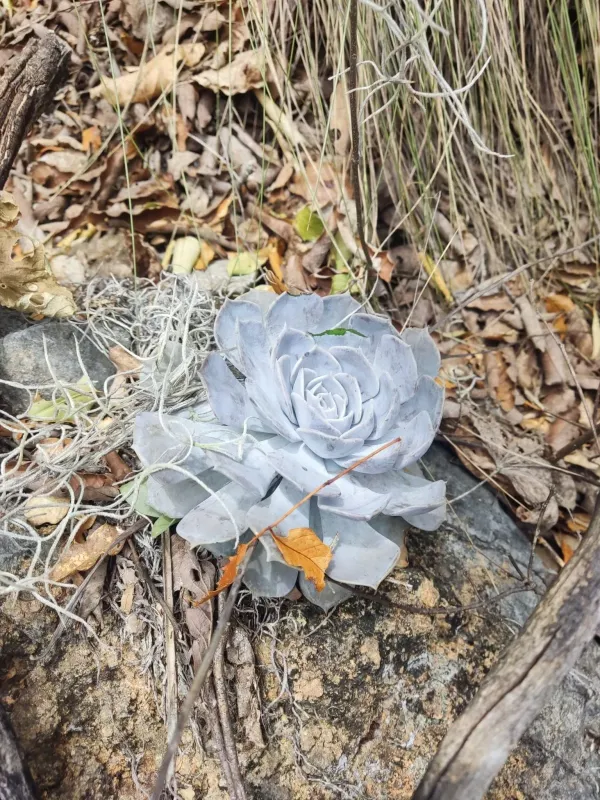
Pachyveria Lilacina is an intergeneric hybrid derived from the cross-breeding of Echeveria lilacina and Pachyphytum coeruleum. It belongs to the Crassulaceae family and is highly valued for its striking rosette shape and powdery, lilac-hued leaf surface.
The culture originates from the arid mountain regions of Mexico. Consequently, it is best cultivated in environments that mimic high altitude conditions, characterized by bright light and well-draining, rocky substrates.
Proper soil composition is vital for the health of this succulent. A mixture comprising inorganic components such as pumice, perlite, and coarse sand ensures that roots receive adequate oxygen while preventing water stagnation that could lead to rot.
The ideal climate involves a diurnal temperature range with warm days and cool nights. During the active growing season, consistent exposure to sunlight is required to maintain the plant’s compact structure and prevent etiolation.
Watering should be performed using the soak-and-dry method. It is essential to ensure the soil is completely dry before the next watering session, particularly during the winter dormancy period when the plant requires very little moisture.
Main diseases and pests
The most common threat to this plant is root rot, typically caused by overwatering or soil mixes that retain too much moisture. Once the roots are compromised, the entire rosette may detach, making recovery difficult.
Mealybugs are frequent pests that infest the crevices between leaves. They extract sap and leave white, cotton-like secretions, which can stunt growth and invite secondary fungal infections.
Fungal pathogens such as Fusarium can affect the plant if the base is constantly wet. This often presents as dark, mushy patches on the lower leaves or the main stem, signaling an urgent need to re-root the plant.
Spider mites may occasionally strike if the air is excessively dry and stagnant. These tiny pests cause pale spots and speckling on the leaf surfaces, necessitating prompt treatment with horticultural soap or systemic miticides.
Regular monitoring of the leaf axils is recommended as a preventative measure. Keeping the environment well-ventilated and ensuring adequate space between plants significantly reduces the risk of pest proliferation and fungal outbreaks.