
Ginger
Zingiber officinale x Zingiber zerumbet
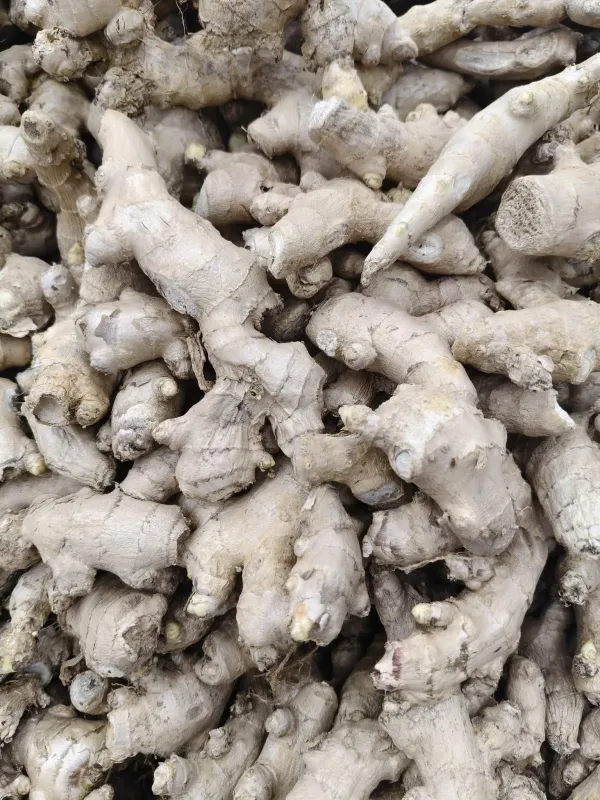
Description
Sowing dates
Ginger is typically planted in the early spring, when soil temperatures reach at least 20 degrees Celsius. In tropical regions, planting often aligns with the onset of the rainy season to ensure consistent moisture for initial sprouting.
For planting, choose healthy, firm rhizomes with visible buds. Cut the rhizomes into pieces weighing about 30–50 grams, ensuring each segment contains at least two to three growth points for optimal vigor.
Place the pieces in well-drained soil at a depth of 5 to 10 centimeters, with the buds pointing upwards. Spacing is crucial for development; rows should be spaced 40–60 centimeters apart, with 20–30 centimeters between individual plants.
Proper soil preparation is essential to prevent waterlogging, which is a major threat to the rhizomes in the early stages of growth. Ensure that the substrate is loose and rich in organic matter to facilitate uniform root expansion.
Within two to three weeks, shoots will emerge from the soil. Continuous monitoring of moisture levels is necessary during this germination phase to prevent the rhizomes from drying out or rotting due to excessive water.
Growing requirements
Ginger belongs to the Zingiberaceae family and requires a warm, humid climate to thrive. It performs best at temperatures ranging from 22 to 30 degrees Celsius and is highly sensitive to frost or cold winds.
The crop prefers fertile, loamy, or sandy-loam soils with a slightly acidic to neutral pH. A well-structured soil with excellent drainage is mandatory to prevent the accumulation of stagnant water, which leads to root diseases.
While ginger needs significant light, it does not tolerate harsh, direct sunlight, which can scorch its delicate foliage. Providing partial shade or using shade cloths is a standard practice in commercial cultivation to ensure healthy development.
High levels of moisture are required throughout the growing season, especially during the peak rhizome enlargement period. Regular irrigation combined with mulching helps maintain consistent soil moisture and suppresses unwanted weed growth.
Nutrient management is key; ginger responds very well to the application of compost or well-rotted manure before planting. Supplemental potassium-rich fertilizers during the mid-season can significantly improve the quality and pungency of the rhizomes.
Yield
Under optimal growing conditions, ginger can produce yields ranging from 20 to 40 metric tons per hectare. Productivity is heavily influenced by the length of the growing season, soil fertility, and management intensity.
The formation of the rhizome mass is a gradual process that spans several months. Proper hilling or mounding of soil around the base of the plants is essential to protect the rhizomes from exposure to direct light and to improve yield.
Regular weed control is vital as ginger is a slow-growing crop that competes poorly with aggressive weeds. Hand-weeding or mechanical cultivation should be performed carefully to avoid disturbing the root zone of the ginger plants.
Monitoring for signs of nutrient deficiency or stress is crucial for maximizing yield. If growth appears stunted, quick adjustments to the fertilization or watering schedule can often correct the problem and salvage the potential crop output.
The final yield quality depends on the harvest timing. Harvesting too early results in tender, thin-skinned rhizomes, while delayed harvesting produces more fibrous, pungent rhizomes preferred for dried spice production.
Main diseases and pests
Bacterial wilt is perhaps the most destructive disease affecting ginger, often spreading rapidly in hot, humid weather. It leads to quick yellowing and wilting of leaves, followed by the decay of the rhizome structure.
Nematodes are common underground pests that cause gall formation on roots, severely weakening the plant. Implementing crop rotation and using nematode-free planting materials are the most effective strategies to mitigate this issue.
Various foliar pests, such as aphids, mites, and leaf rollers, can damage the leaves and reduce photosynthetic efficiency. Regular field inspections and the use of integrated pest management are necessary to control these infestations.
Fungal pathogens like leaf spot or rhizome rot thrive in poorly ventilated environments. Ensuring proper plant spacing and managing greenhouse airflow are fundamental steps in preventing these fungal threats from taking hold.
Integrated pest management strategies, focusing on biological controls and proper field sanitation, help minimize chemical residue and ensure the production of high-quality, safe-to-consume ginger crops.
Harvesting
Harvesting usually occurs 8 to 10 months after planting, once the foliage begins to turn yellow and wither. This natural decline of the aerial parts indicates that the rhizomes have reached their full mature size.
To harvest, carefully dig up the rhizomes using garden forks or mechanized equipment, ensuring the skin remains intact. Avoiding bruises during this process is essential to maintain the quality and shelf-life of the product.
After excavation, remove the foliage and any loose soil attached to the rhizomes. In commercial operations, washing the rhizomes in clean water is often done to improve their visual appeal before final sorting and packing.
Storage should take place in cool, dark, and well-ventilated locations with a relative humidity of around 65–70 percent. Proper storage environments can prevent dehydration and the growth of mold for several months.
Beyond fresh market sales, harvested ginger can be processed into various products, including pickled ginger, powdered spice, or ginger oil. Regardless of the use, maintaining high hygiene standards during harvest is key to final value.