
Zingiber montanum
Zingiber montanum (J. Koenig) Link ex A. Dietr.
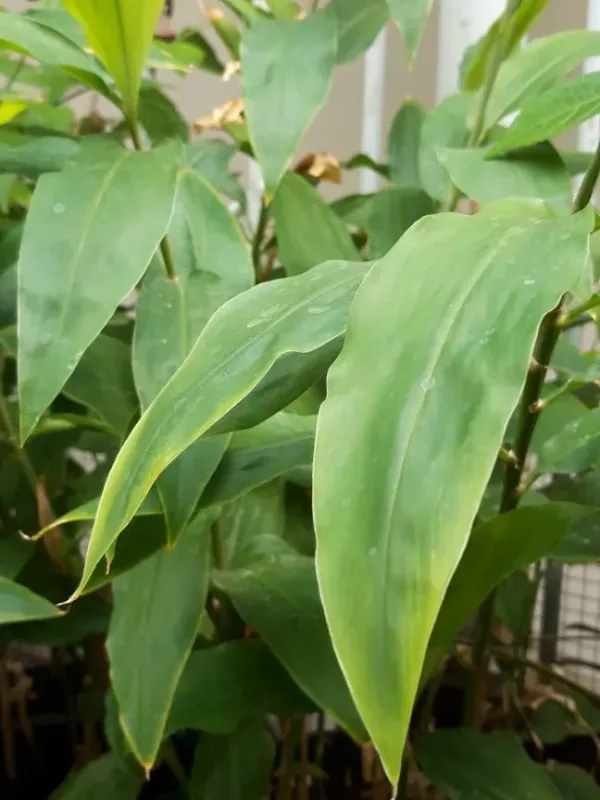
Description
Growing requirements
Zingiber montanum is a member of the Zingiberaceae family. This perennial herb is highly valued for its rhizomes, which are rich in aromatic compounds and essential oils.
Native to Southeast Asia, the plant thrives in tropical climates characterized by high annual rainfall and consistent temperatures, typically ranging from +20°C to +30°C throughout the year.
The crop requires fertile, well-draining loamy soils. Waterlogging must be strictly avoided, as the rhizomes are highly susceptible to rot under conditions of poor soil aeration.
Cultivation practices involve selecting high-quality rhizome cuttings for propagation. Adequate soil moisture and periodic fertilization with organic matter are essential for optimal plant development.
Beyond its traditional use as a spice, the crop is increasingly cultivated for the essential oil industry, specifically for applications in anti-inflammatory treatments and natural cosmetic formulas.
Main diseases and pests
Rhizome rot, caused by various soil-borne pathogens like Pythium and Fusarium species, remains the most significant threat to production, often exacerbated by high humidity and poor drainage.
Root-knot nematodes are common pests that interfere with the plant's ability to uptake nutrients, leading to stunted growth and reduced yields in commercial-scale plantations.
Integrated pest management (IPM) strategies, including crop rotation and the use of disease-free planting material, are vital for maintaining healthy fields and preventing widespread infestation.
Early detection of foliar symptoms, such as yellowing and wilting, allows farmers to implement targeted treatments before the pathogens infiltrate the root system completely.
Effective soil management, including the use of cover crops and solarization before planting, can significantly reduce the pressure from soil-borne diseases and pests.
Harvesting
Harvesting is performed once the foliage turns yellow and begins to dry out, signaling that the rhizomes have reached maturity and are at their peak for essential oil concentration.
The rhizomes are carefully unearthed, ensuring that the roots remain intact. This careful handling is crucial for both market quality and for preserving rhizomes intended for subsequent propagation.
Post-harvest processing involves washing away soil debris and air-drying the rhizomes in shaded, ventilated areas to reduce moisture content and improve storage life.
Grading the harvested rhizomes based on size and physiological maturity is a standard procedure to ensure product standardization for various industrial and commercial markets.
Proper storage involves maintaining cool, dry conditions with adequate airflow to prevent spoilage and ensure that the chemical profile of the rhizomes remains stable for extended periods.