
Zingiber spectabile
Zingiber spectabile Griff.
Description
Sowing dates
Propagation of Zingiber spectabile is primarily achieved through rhizome division. The process involves selecting healthy, mature rhizome segments during the plant's dormant or early growth phase.
Each segment must contain at least two or three viable nodes to ensure robust development. Proper orientation during planting is essential to allow for correct shoot emergence.
The planting substrate should be lightweight, porous, and well-draining, such as a mix of peat moss and perlite, to provide sufficient aeration and prevent early rot.
Warm soil temperatures are critical for successful root initiation. Keeping the growing area between 22 and 25 degrees Celsius significantly accelerates the establishment period.
Regular but controlled watering is necessary immediately after planting to ensure the rhizomes maintain contact with the substrate without becoming saturated with water.
Growing requirements
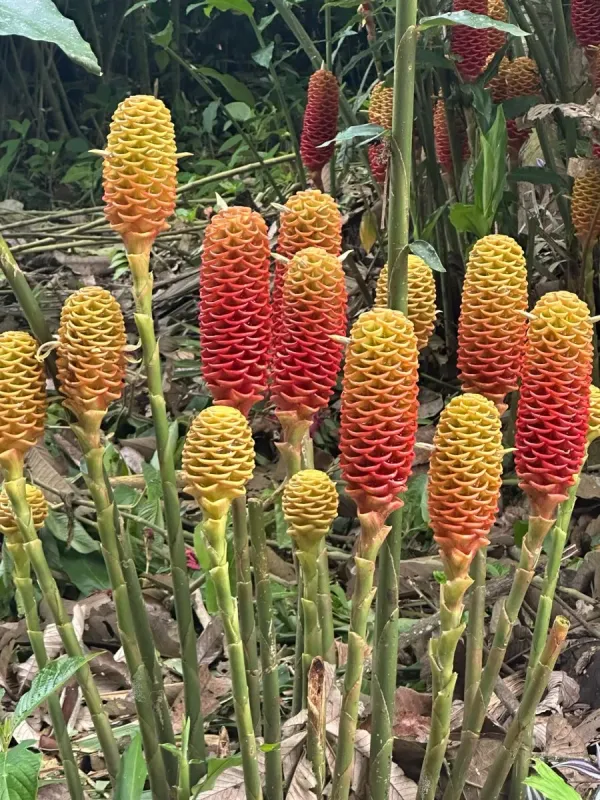
Zingiber spectabile, commonly known as Beehive Ginger, belongs to the Zingiberaceae family. It thrives in tropical climates characterized by high humidity and moderate temperatures.
The plant requires filtered or indirect light. Prolonged exposure to direct, harsh sunlight may cause the broad, lush leaves to scorch, reducing the plant's overall vigor and aesthetics.
Soil quality is paramount; the plant prefers a nutrient-rich, organic-based soil that is slightly acidic. Maintaining a consistent moisture level is key to optimal growth performance.
A climate with high relative humidity is vital for the development of its iconic, colorful bracts. Dry air can lead to the browning of leaf margins and stunted inflorescence growth.
Fertilization should be applied consistently during the growing season. A balanced, water-soluble fertilizer is generally recommended to support both foliage development and flower production.
Main diseases and pests
The most significant threat to the culture is root rot, typically caused by waterlogged conditions. Poor drainage prevents proper oxygen circulation, leading to the death of the rhizome.
Spider mites are common pests in greenhouse settings, particularly when humidity levels drop. They feed on the underside of the leaves, causing stippling and eventual leaf loss.
Aphids and scale insects can also colonize the plant, focusing on young, tender stems and the base of the inflorescence. Regular inspection and systemic treatments are standard management practices.
Root-knot nematodes are problematic in soil-grown plants. They cause structural damage to the root system, which severely compromises the plant's ability to uptake water and nutrients.
Preventative measures, including the use of sterilized potting mixes and maintaining optimal environmental conditions, remain the best defense against major disease outbreaks.
Harvesting
The primary use of the plant is ornamental, particularly for its unique cone-shaped inflorescences. Harvesting is timed when the bracts have reached their peak color and structural integrity.
The inflorescences are cut at the base of the stalk using sterile equipment to prevent the introduction of pathogens into the vascular system of the mother plant.
Post-harvest handling involves placing the cut stalks in clean water immediately to maintain turgor pressure. This ensures the longevity of the inflorescences in commercial floral displays.
If harvesting rhizomes for propagation, extreme care must be taken to minimize physical stress on the parent plant during the extraction process.
Managing the harvest schedule helps in cycling the crop effectively, ensuring that the plant has sufficient recovery time to prepare for the next productive flowering cycle.