
Serruria florida
Serruria florida (Thunb.) Knight
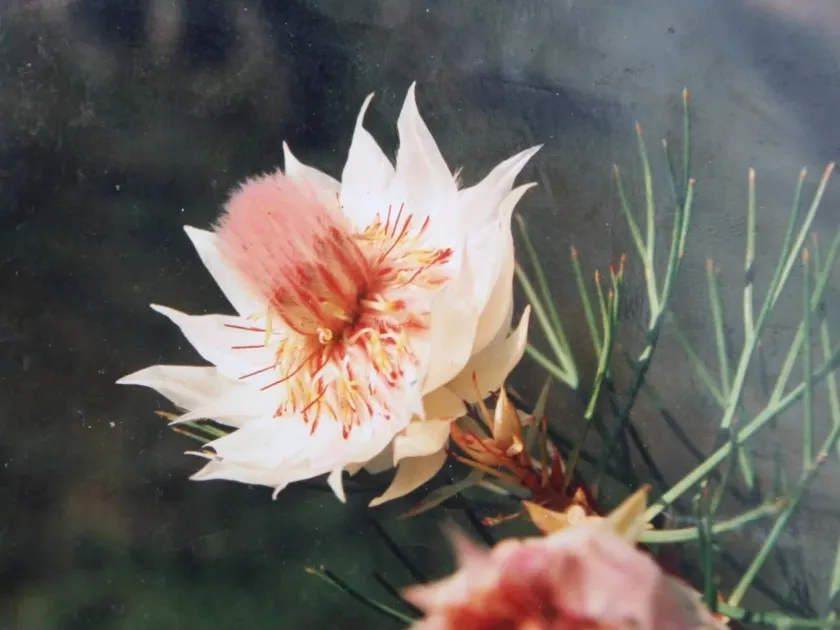
Description
Sowing dates
The propagation of Serruria florida, commonly known as Blushing Bride, is primarily achieved through seeds or stem cuttings in specialized nursery environments.
Seeds possess a deep dormancy and require specific treatments, such as exposure to smoke or specialized chemicals, to mimic the post-wildfire conditions of their native South African habitat for successful germination.
Sowing typically occurs during autumn or winter months, with controlled temperatures between 15–20 degrees Celsius, ensuring optimal conditions for seedling establishment.
Vegetative propagation involves taking semi-hardwood cuttings during late summer, which are then treated with rooting hormones to improve the success rate of new plant production.
Using a sterile, low-nutrient, and well-draining medium is critical, as young plants are extremely sensitive to soil chemistry and potential pathogenic contamination.
Growing requirements
As a member of the Proteaceae family, Serruria florida has precise environmental requirements adapted to the Fynbos biome of the Cape region.
Plants thrive in acidic, well-draining soils with very low phosphorus levels; high concentrations of phosphorus can be toxic and often lead to rapid plant decline.
The species requires full sunlight exposure throughout the day to encourage the development of its iconic, delicate, white-to-pinkish bracts.
Temperature management is essential; the plants prefer cool to moderate climates and struggle with high heat combined with high humidity, typical of poorly ventilated greenhouses.
Watering must be balanced—the soil should be kept consistently moist but never waterlogged, as poor drainage is the primary cause of root-related failures.
Yield
The yield for commercial Serruria florida production is measured by the number of marketable inflorescences produced by a single bush per growing season.
With proper horticultural practices, a healthy, mature plant can produce dozens of high-quality stems, which are highly sought after by floral designers for their unique aesthetic.
Harvesting is initiated once the bracts have reached their full coloration and structural firmness, ensuring optimal post-harvest longevity in vases.
Regular pruning is a vital agronomic task; it stimulates the growth of new stems that will bear flowers in the following season and helps maintain the shape of the shrub.
Productive lifespan in a commercial setting typically ranges from five to eight years before the bushes require replacement to maintain high-quality output.
Main diseases and pests
The most significant threat to Serruria florida is root rot caused by Phytophthora species, which can devastate entire crops if soil moisture is not managed effectively.
Poor ventilation and inappropriate moisture levels can also lead to infestations of aphids and spider mites, which can quickly compromise the health of the plants.
Integrated pest management strategies, including biological controls and strict environmental monitoring, are recommended to maintain plant health.
Mechanical damage during cultivation or weeding should be avoided at all costs, as damaged roots serve as entry points for soil-borne pathogens.
Prevention relies on good sanitation practices, clean tools, and maintaining a healthy balance of drainage and moisture within the growth medium.
Harvesting
Harvesting is performed by cutting the stems with clean, sharp shears, leaving enough foliage on the parent plant to support continued growth and photosynthesis.
Immediately after cutting, stems should be placed in clean water to prevent air embolisms and potential bacterial growth that can obstruct water uptake.
Post-harvest storage involves placing the stems in a cool environment, typically between 2–5 degrees Celsius, to slow down respiration and prolong shelf life.
Hygiene is paramount during the harvesting process to prevent the spread of fungal spores or bacteria from infected stems to healthy ones.
Ideally, harvest occurs in the early morning hours when the plant's water content and turgor pressure are at their peak, ensuring the best quality for the end consumer.