
Serruria
Serruria florida x serruria rosea
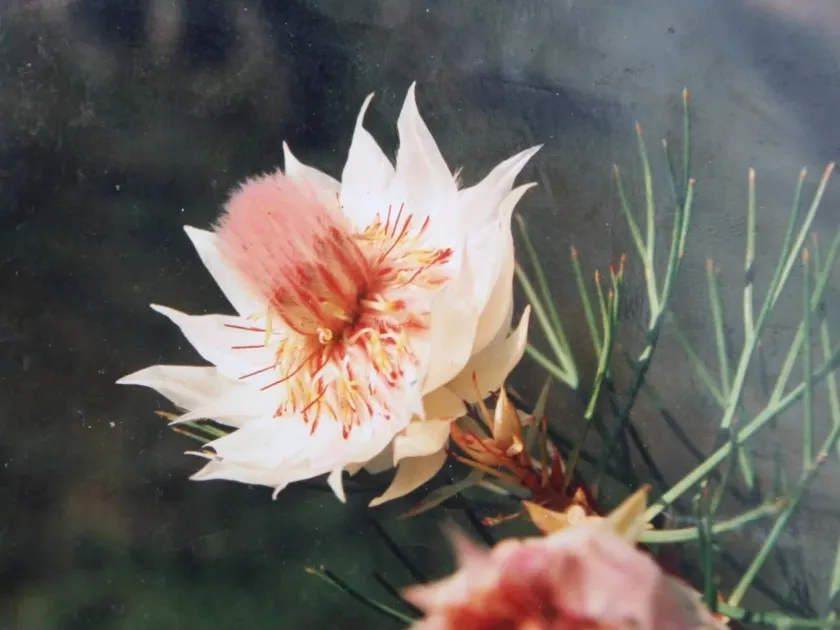
Description
Sowing dates
Serruria seeds are typically sown during the autumn season, mimicking the natural germination cycles found in the South African climate. The optimal time is late summer or early autumn when nighttime temperatures begin to decrease.
For successful seed germination, it is recommended to use specialized smoke-simulating treatments, which significantly increase the germination rate of this crop. Sowing is performed in a loose, well-draining substrate based on sand and peat.
The temperature regime for germination must be contrasting: approximately 20°C during the day and 10°C at night. It is essential to maintain stable humidity while avoiding waterlogging, which can lead to seed rot.
Pricking out seedlings is carried out with extreme care to avoid damaging the root system, which is highly sensitive to any form of transplanting. Young plants are grown in protected environments until they reach sufficient viability.
The development of this crop is relatively slow, so it is important to provide young specimens with an adequate amount of diffused light. In industrial greenhouse conditions, precise climate control is a key factor for success.
Growing requirements
Serruria belongs to the Proteaceae family and requires specific environmental conditions that closely resemble the Mediterranean or mountainous climate of South Africa. The plant needs abundant bright but diffused sunlight.
The crop has strict soil composition requirements: the substrate must have a distinct acidic pH reaction and excellent water permeability. Stagnant moisture in the root zone is fatal to this species.
Watering should be regular but very moderate, using soft water without excess calcium. During hot periods, it is important to ensure good air circulation around the bush to prevent overheating of the root system.
The crop does not tolerate freezing temperatures well, so it is grown primarily as a greenhouse plant or a container crop in most regions. The minimum acceptable winter temperature is between +5°C and +8°C.
For fertilization, specialized fertilizers for Proteaceae plants with low phosphorus content should be used. Excess nutrients can cause root burn and suppress the overall growth of the Serruria plant.
Harvesting
The harvesting of Serruria flower heads for commercial use is conducted when the flowers are fully formed but have not yet begun to lose their freshness. Only sterilized tools should be used for cutting.
Cut stems retain high ornamental value provided they are placed in clean water immediately. It is important to regularly refresh the stem cut to maintain efficient moisture absorption by the plant.
Transportation of the produce is carried out at reduced temperatures, which helps preserve the turgor of the leaves and flower heads. This plant is highly valued by florists for its unique texture and exotic aesthetic.
In the trade, Serruria is used as an elite component for complex bouquets and floral arrangements. Its high value is due to the difficulty of cultivation and the short duration of the mass flowering period.
Proper post-harvest handling significantly extends vase life. The use of professional preservatives for cut flowers allows the quality of the product to be maintained for up to two weeks.