
Willow-leaved hakea
Hakea salicifolia (Vent.) B. L. Burtt
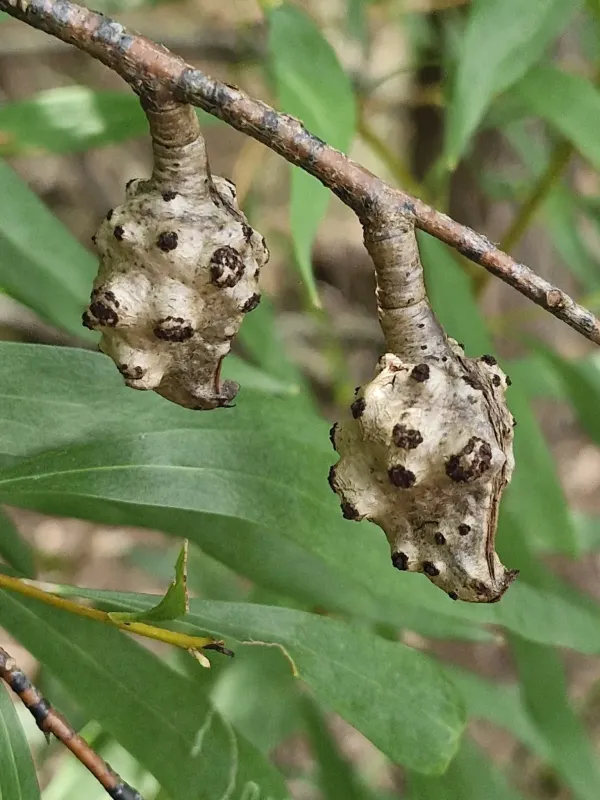
Description
Growing requirements
Willow-leaved hakea (Hakea salicifolia) is a large evergreen shrub or small tree native to the coastal forests of eastern Australia. It belongs to the Proteaceae family, known for its unique botanical adaptations to nutrient-poor soils and specific environmental conditions.
The plant is widely recognized for its foliage, which features long, slender, willow-like leaves that are glossy and bright green. In addition to its aesthetic value, it produces white flowers in small clusters, creating an attractive feature for gardens and urban landscaping projects.
For successful cultivation, this species requires excellent soil drainage. It thrives in slightly acidic or neutral soils that are low in phosphorus. Due to its evolutionary background, the plant is highly susceptible to root damage if the soil becomes waterlogged or overly rich in fertilizers.
Hakea salicifolia prefers a Mediterranean or subtropical climate with plenty of sunlight. While it can tolerate light frosts once established, it is best suited for sheltered positions in cooler regions. It performs exceptionally well as a screening plant due to its dense growth habit.
Agrotechnical management includes periodic pruning to maintain the desired size and shape. Mulching around the base of the plant helps retain moisture during dry spells, but direct contact between mulch and the main stem should be avoided to prevent stem rot.
Main diseases and pests
The most significant threat to this species is Phytophthora root rot, a water-borne fungal pathogen. This disease thrives in wet, poorly drained soils and can quickly kill the plant. Therefore, maintaining soil aeration and avoiding over-irrigation are the primary defense strategies.
Pests such as scale insects and mealybugs can occasionally infest the branches and leaf undersides. These insects weaken the plant by feeding on sap. Periodic inspections and the use of horticultural oils can help manage populations before they cause significant damage.
Fungal leaf spot diseases may occur in areas with prolonged high humidity and lack of air movement. Pruning is essential not only for aesthetic purposes but also to increase airflow, which significantly reduces the risk of fungal proliferation within the shrub's canopy.
Nutrient toxicity, particularly from high-phosphorus fertilizers, is a major physiological threat. Such fertilizers can cause leaf burn and stunted growth. It is recommended to use specialized fertilizers formulated for Proteaceae species or to avoid synthetic fertilization altogether.
Environmental stress, such as extreme temperature fluctuations, can also make the plant more susceptible to secondary infections. Providing a stable, sunny environment with occasional deep watering during drought periods keeps the plant resilient against most common botanical threats.