
Pin-cushion hakea
Hakea laurina R. Br.
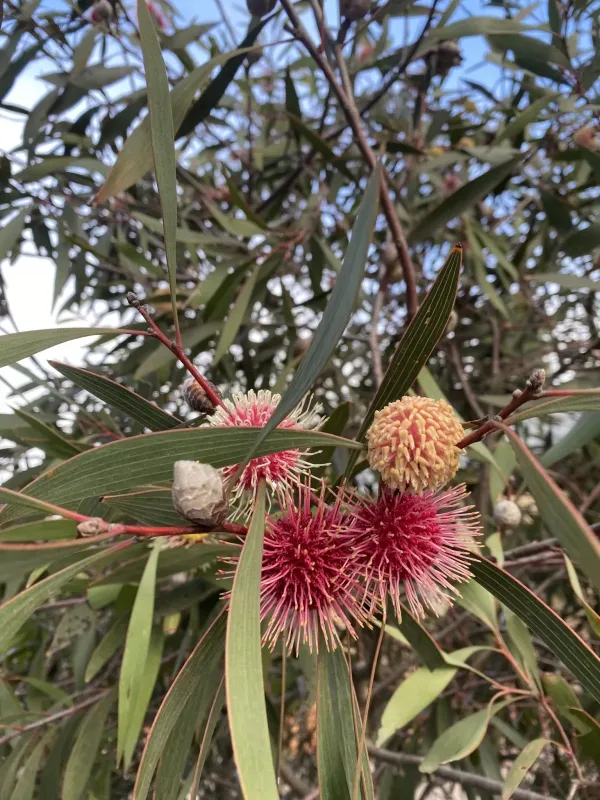
Description
Sowing dates
Propagation of Hakea laurina is primarily achieved through seeds or semi-hardwood cuttings, which are effective for maintaining plant health and vigor.
Seeds should be sown in a well-draining substrate during the spring months, ensuring they are placed in a location with consistent temperature and light.
For cutting propagation, it is recommended to take cuttings from healthy, non-flowering shoots during late summer to encourage root development before the onset of dormancy.
Maintaining a greenhouse environment for seedlings helps to protect them from extreme weather conditions during their early stages of growth.
Proper spacing is crucial when planting young hakeas to ensure adequate airflow and prevent the development of foliage-related issues as the plant matures.
Growing requirements
Hakea laurina, a member of the Proteaceae family, is native to the southwest of Western Australia and thrives in well-drained, nutrient-poor, sandy soils.
The plant demands a full-sun position to produce its characteristic pin-cushion-like flower heads and maintain a compact, attractive structural form.
Regarding water requirements, this species is drought-tolerant once established but benefits from moderate watering during the heat of the summer to sustain growth.
It is vital to avoid phosphorus-rich fertilizers, as many Proteaceae species have specialized root systems that are highly sensitive to high nutrient levels.
The ideal climate is characterized by mild temperatures, although mature specimens can withstand light frosts down to approximately -5 degrees Celsius.
Main diseases and pests
The most common threat to Pin-cushion hakea is root rot caused by Phytophthora species, which thrive in poorly drained or waterlogged soils.
Effective drainage is the primary defense against fungal attacks, so gardeners must avoid low-lying areas or heavy clay soils when siting the plant.
Pests such as mealybugs and spider mites may occasionally appear, especially in sheltered or indoor environments where humidity levels are uncontrolled.
Regular maintenance, including the removal of deadwood and thinning of overly dense branches, promotes airflow and reduces the risk of disease transmission.
Chemical intervention should be used sparingly, prioritizing integrated pest management strategies to ensure the long-term health of the plant's delicate root system.