
Athertonia diversifolia
Athertonia diversifolia
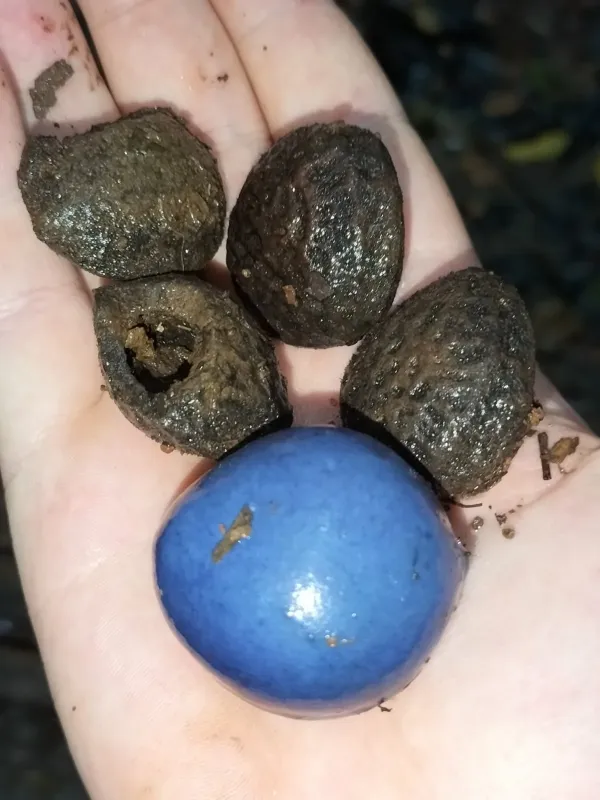
Description
Growing requirements
Athertonia diversifolia, commonly known as the Atherton oak, belongs to the Proteaceae family. It is a striking evergreen tree characterized by its dense canopy and distinct leaf shapes, which exhibit significant heterophylly as the tree matures from a juvenile state.
The species is native to the tropical rainforests of northeastern Queensland, Australia. To thrive, it requires fertile, well-drained soil rich in organic matter and an environment characterized by consistently high humidity levels, mirroring its original rainforest habitat.
Climatic requirements for this crop are strict; it is highly susceptible to frost and requires stable, warm temperatures throughout the year. It cannot tolerate extreme heat or prolonged dry spells, making it a specialized crop for specific tropical microclimates.
Agrotechnical management focuses on moisture regulation and soil health. Because it is a slow-growing tree in its early stages, intensive care, including mulching and weed suppression, is necessary to ensure the sapling establishes a robust root system.
The primary agricultural utility of Athertonia diversifolia lies in its large, edible nuts, which are harvested for their nutritional profile and high oil content. While cultivation remains limited compared to related Proteaceae species, it holds significant potential for specialty nut production.
Main diseases and pests
The crop faces primary threats from soil-borne pathogens, specifically root rot fungi, which thrive in stagnant water conditions. Proper drainage is the most critical management tool to mitigate the risk of these infections.
Various insect pests, including borers and leaf-eating beetles native to Australian rainforests, can impact the vigor of the trees. Regular surveillance is required to manage pest populations before they cause significant economic loss to the nut yield.