
Adenanthos meisneri
Adenanthos meisneri
Description
Growing requirements
Adenanthos meisneri is a distinct evergreen shrub belonging to the Proteaceae family. Native to the southwest regions of Western Australia, this species has evolved to thrive in nutrient-poor, sandy environments under a Mediterranean-style climate.
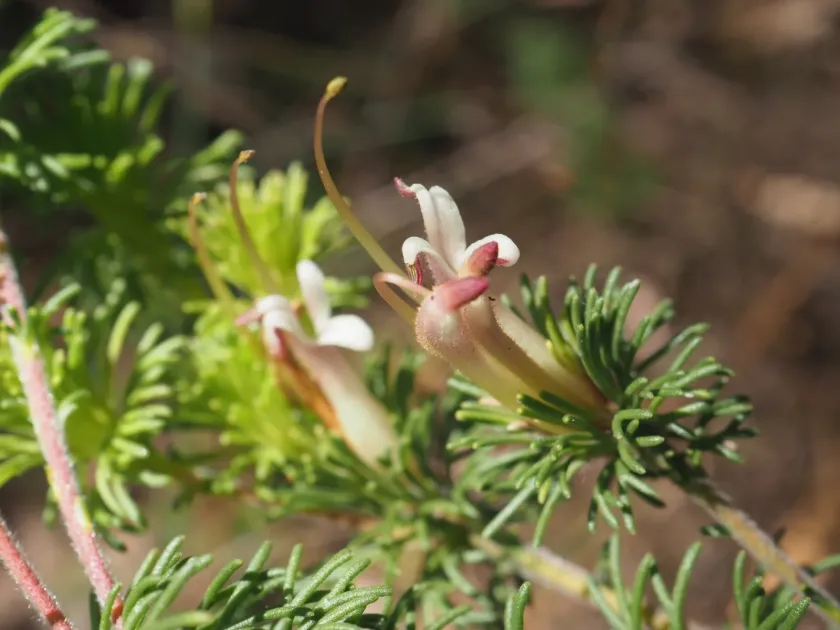
The plant is botanically recognized for its delicate, finely divided foliage, which often features a silvery pubescence. This unique texture makes the plant highly sought after for xeriscaping and ornamental garden designs that focus on drought-tolerant, architectural vegetation.
Cultivation requires strict adherence to drainage standards. The species is highly susceptible to root damage if the soil remains waterlogged. It thrives in well-aerated, acidic sandy soils that mimic its natural habitat and prevent the accumulation of stagnant water.
Exposure to full sunlight is essential for Adenanthos meisneri to maintain its structural integrity and dense foliage. In non-native climates with cold winters, it must be grown in containers to ensure protection from frost, as it is not a hardy species in temperate zones.
Its primary agricultural and horticultural utility is within the nursery trade and private landscaping. It serves as an excellent feature plant that adds year-round visual interest through its soft, feathery appearance without requiring aggressive maintenance or frequent pruning.
Main diseases and pests
Root rot, specifically caused by Phytophthora species, is the most critical threat to Adenanthos meisneri. This pathogen thrives in poor-draining soils, making effective drainage the single most important aspect of preventing catastrophic plant loss in a garden setting.
Pests such as spider mites and mealybugs can infest the foliage, particularly when the plant is kept in greenhouse conditions with poor air circulation. Integrated pest management strategies, focusing on early detection and biological control, are highly recommended.
Botrytis, or grey mold, can affect the plant during periods of high humidity or insufficient airflow. Proper spacing between individual plants is necessary to promote healthy evaporation and reduce the risk of fungal outbreaks on the dense leaf clusters.
Phosphorus toxicity is a physiological risk unique to many members of the Proteaceae family. Fertilizers with high phosphorus content can cause rapid decline and death, necessitating the use of specialized, phosphorus-free nutritional supplements.
Irrigation with hard water or water containing lime will significantly alter the soil pH, leading to nutrient deficiencies and chlorosis. Using rainwater or softened water is essential to maintain the correct physiological balance for the plant's long-term health.