
Parathesis crenulata
Parathesis crenulata
Description
Growing requirements
Parathesis crenulata is a species belonging to the Primulaceae family. Native to the tropical regions of Central and South America, this evergreen shrub thrives in humid forest environments under canopy shade.
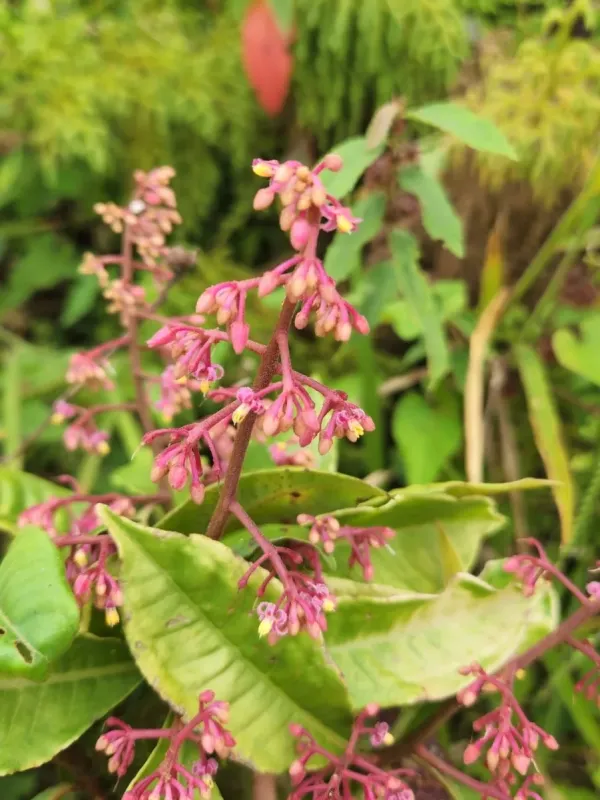
Botanically, it is characterized by its glossy, crenulate-edged leaves and clusters of small flowers that mature into vibrant red berries. It requires filtered light to prevent leaf scorch, which is essential for maintaining its aesthetic appeal.
Cultivation requires specific environmental conditions, including a stable temperature range between 18 and 25 degrees Celsius and consistently high humidity levels throughout the growing season.
Agricultural requirements include well-draining, nutrient-rich soil substrates, often based on organic peat mixtures. Proper drainage is crucial to prevent the root system from becoming waterlogged, which could inhibit growth.
Economically, Parathesis crenulata is primarily utilized as an ornamental plant in landscaping and interior design. Its ability to bear berries makes it highly valued in regions with suitable climates for year-round cultivation.
Main diseases and pests
The most common pests affecting Parathesis crenulata include spider mites, which thrive in low-humidity environments, and mealybugs that congregate on new growth.
If the cultivation environment becomes too wet or poorly ventilated, the plant becomes susceptible to fungal infections such as root rot and leaf spot diseases.
Effective pest management involves regular visual inspections and the application of suitable acaricides or insecticidal soaps when pests are detected.
Disease prevention depends on maintaining optimal air circulation and avoiding overhead watering, which can spread fungal spores across the foliage.
Sanitation practices, such as removing affected branches and ensuring soil health through balanced irrigation, are essential to ensure the longevity of the plant in a nursery setting.