
Lysimachia monelli
Lysimachia monelli (L.) U. Manns & Anderb.
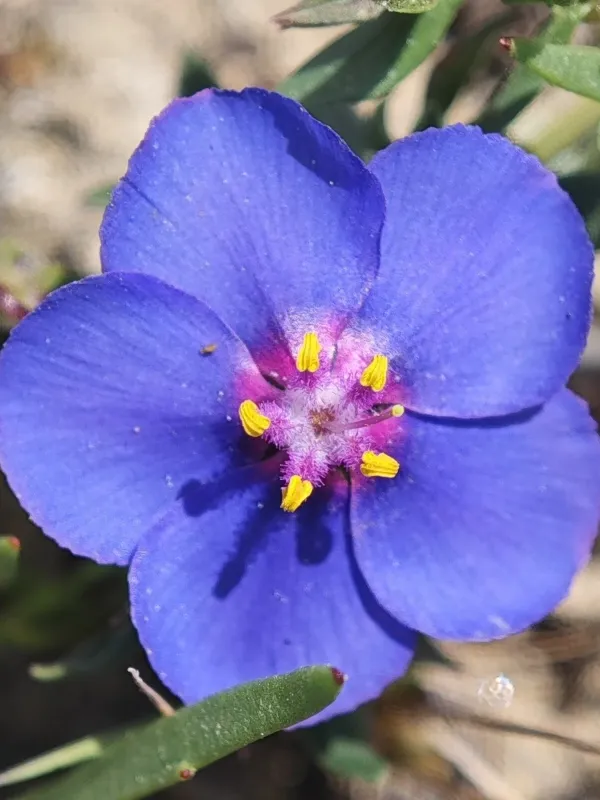
Description
Sowing dates
Lysimachia monelli is typically propagated by seeds, which should be started indoors in late winter or early spring. Sowing in February or March ensures that the plants are well-established by the time they are moved outdoors.
The seeds require light to germinate and should not be covered deeply with soil. A light pressing into the surface of a moist, sterile seed-starting mix is ideal, followed by placing the tray in a location with temperatures around 18–20 degrees Celsius.
Seedlings usually emerge within two to three weeks. It is crucial to maintain consistent, light moisture levels using a fine mist to prevent the soil from drying out while ensuring that excess water is drained to prevent damping-off.
Pricking out the seedlings should occur when they develop two or three sets of true leaves. Using a potting medium that contains perlite or vermiculite will help improve soil structure and root health during this transition phase.
Transplanting into the garden must be delayed until all frost risks have passed. Young plants are sensitive to cold, so acclimating them to outdoor conditions through a gradual hardening-off process is highly recommended.
Growing requirements
Belonging to the Primulaceae family, Lysimachia monelli thrives in sunny spots that receive some afternoon shade to protect the foliage from intense heat. Good air circulation is essential to prevent physiological stress during the peak summer months.
The ideal soil is fertile, loose, and well-draining. This species does not tolerate "wet feet," so sites with heavy clay or poor drainage should be amended with organic matter and grit to ensure roots remain healthy.
Watering should be performed consistently, allowing the surface of the soil to dry out slightly between applications. This method keeps the root zone sufficiently moist without creating the stagnant conditions that foster fungal decay.
Regular fertilization with a balanced, water-soluble fertilizer throughout the growing season encourages vigorous growth and continuous blooming. Over-application of nitrogen should be avoided to prevent excessive foliage development at the expense of flowers.
In regions where temperatures drop significantly, Lysimachia monelli is typically grown as an annual. Its lack of hardiness makes it better suited for container gardening in cooler climates, allowing it to be moved to protected areas if needed.
Main diseases and pests
Aphids and spider mites are the most common pests encountered, particularly during periods of warm, dry weather. Regular monitoring of the foliage, especially the undersides of leaves, is necessary to catch infestations early.
Fungal issues, including powdery mildew and root rot, can become problematic if plants are crowded or if humidity levels remain too high. Maintaining proper spacing ensures adequate airflow and reduces the risk of disease spread.
Preventive care involves avoiding overhead watering, which can keep leaves wet for extended periods and invite fungal spores. If disease symptoms appear, removing infected plant parts or applying an appropriate fungicide is required.
Keeping the planting area clean by removing plant debris prevents pests and diseases from overwintering near the host plants. Proper sanitation is a fundamental step in maintaining plant vitality.
Effective pest management involves integrated practices: early detection, appropriate cultural controls like spacing and watering, and the judicious use of pesticides only when cultural methods are insufficient.