
Gooseneck loosestrife (hybrid context)
Lysimachia barystachys x Lysimachia clethroides
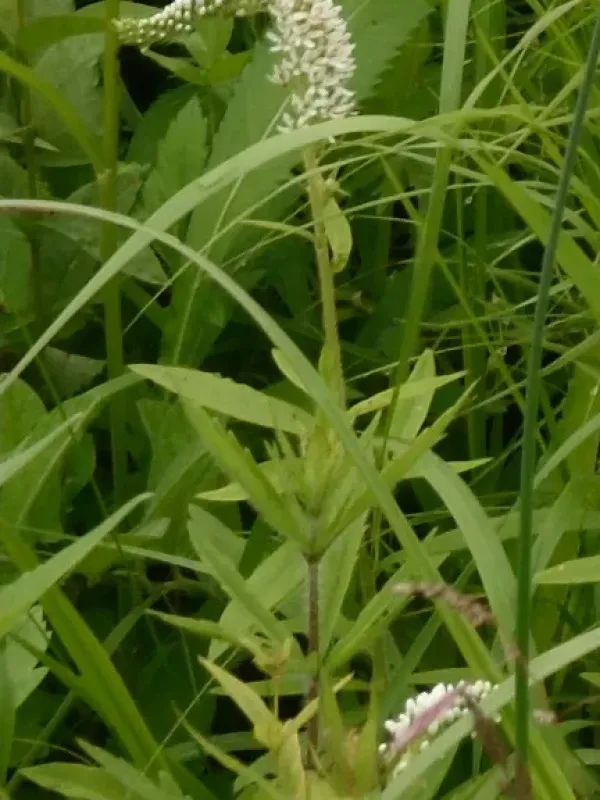
Description
Sowing dates
The propagation of this Lysimachia hybrid is typically performed in early spring or autumn. Spring planting is preferred in colder climates to ensure the root system is well-established before the onset of the first winter frosts.
Vegetative propagation via rhizome division remains the most reliable method for maintaining the specific characteristics of this hybrid. Gardeners should select healthy, mature clumps, carefully separating them into segments containing several viable buds.
Seed sowing is possible but less common due to the hybrid nature of the plant, which may not reproduce true to type. If seeds are used, they require a period of cold stratification to break dormancy and ensure a uniform germination rate.
Planting density is a crucial management aspect. Given the aggressive growth habit of this species, a spacing of at least 45 centimeters between plants is recommended to prevent overcrowding and to maintain a manageable, attractive growth pattern.
Initial establishment requires consistent moisture. Mulching the area immediately after planting is highly recommended to suppress weed growth and help the soil retain the water necessary for rapid root development and initial green mass formation.
Growing requirements
Lysimachia, a member of the Primulaceae family, thrives in moisture-retentive, fertile soils. A rich, loamy substrate with a neutral to slightly acidic pH provides the optimal conditions for vigorous plant growth and blooming.
Regarding climate and site selection, this hybrid performs best in semi-shaded areas where it is protected from intense midday heat. Excessive sunlight can scorch the foliage, while complete shade often results in weaker stems and reduced floral display.
Irrigation is the most vital component of the agricultural management plan. Because these plants are native to environments with sufficient moisture, supplemental watering is essential during dry spells to prevent wilt and stress-related stunted growth.
Regular maintenance involves light hoeing of the soil surface to manage weeds and improve aeration. Keeping the base of the plant clear of invasive weeds helps prevent competition for nutrients, ensuring that the primary crop has sufficient resources.
Fertilization with balanced NPK formulas early in the spring supports vegetative development, while a second application of high-phosphorus fertilizer before the budding phase helps improve the quality and duration of the spikes of flowers.
Main diseases and pests
Fungal pathogens such as rust and various leaf spot diseases are the primary threats, especially in humid and poorly ventilated conditions. Improving airflow through proper spacing is the most effective cultural practice to mitigate these issues.
Aphids are the most common pests affecting this culture, often colonizing the succulent tips of stems. Early detection is crucial, and mechanical removal or the application of insecticidal soaps can often manage small infestations before they spread.
Root-knot nematodes can impact the overall vigor of the plants. If growth appears unexpectedly slow or if nodules are found on the roots, infected material should be removed and destroyed to prevent the spread of the pathogen to the rest of the crop.
Preventive fungicide applications can be used during periods of high humidity. It is recommended to rotate the use of active ingredients to prevent the development of resistance in fungal populations, ensuring long-term control.
Autumn sanitation is mandatory in the production cycle. Removing and disposing of all dried plant debris significantly reduces the overwintering capacity of pests and pathogens, keeping the site healthy for the upcoming growing season.