
Fortune's loosestrife
Lysimachia fortunei Maxim.
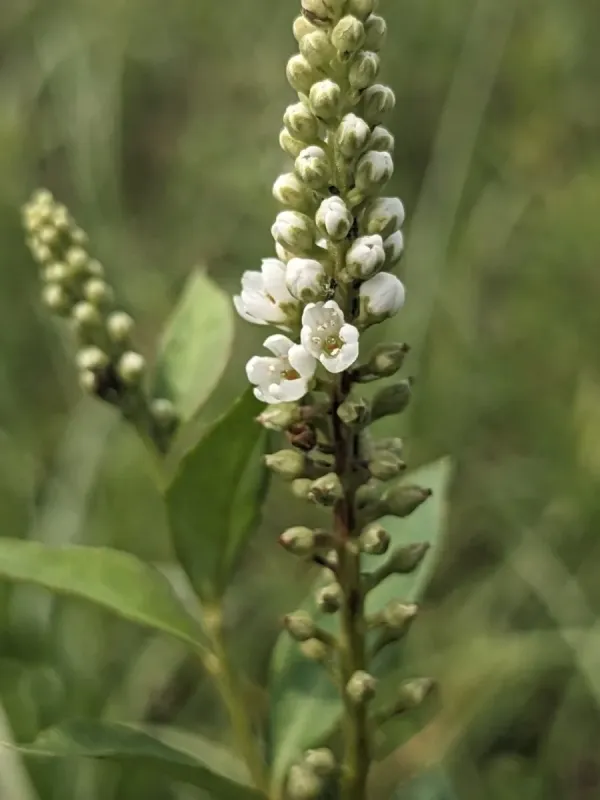
Description
Growing requirements
Fortune's loosestrife (Lysimachia fortunei Maxim.) is a herbaceous perennial plant belonging to the Primulaceae family. Native to Eastern Asia, including China, Japan, and the Korean Peninsula, it is naturally adapted to thriving in moisture-rich environments such as riverbanks and damp meadows.
The plant features upright stems reaching 30 to 60 cm in height, characterized by narrow, lanceolate leaves. Its most distinctive ornamental feature is the dense, spike-like inflorescence of small, white flowers that bloom from mid to late summer, creating a sophisticated visual appeal.
Successful cultivation of this crop requires consistently moist, nutrient-dense soil. In garden settings, mimicking its natural habitat is essential; therefore, consistent irrigation is a mandatory requirement to ensure the plant does not experience water stress during its active growth phase.
While Fortune's loosestrife can tolerate full sun, it is ideally suited for partial shade locations. Protection from intense afternoon heat helps preserve the turgor of the leaves and prevents premature fading of the flowers, ensuring a longer display of its attractive spikes.
Economically and horticulturally, this plant is used primarily for landscape design, particularly around water features, ponds, and rain gardens. Its ability to tolerate wet soils makes it an excellent choice for stabilizing damp ground areas and adding botanical interest to boggy landscape zones.
Main diseases and pests
The plant is susceptible to fungal diseases such as leaf spots and root rot, particularly in areas with poor air circulation or excessive standing water. Maintaining proper plant spacing and ensuring good soil drainage are the most effective cultural practices to mitigate these risks.
Common pests that might affect this species include aphids and mites, which tend to congregate on the tender parts of the foliage and flower spikes. Integrated pest management strategies, such as physical removal or the use of mild horticultural oils, are usually sufficient to maintain plant health.