
Lysimachia congestiflora
Lysimachia congestiflora Hemsl.
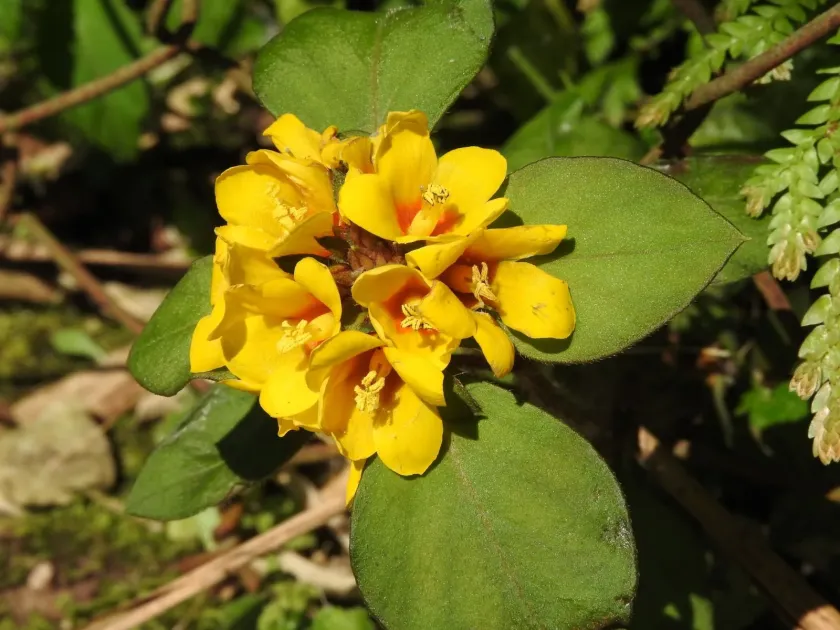
Description
Sowing dates
Propagation of Lysimachia congestiflora is most effectively achieved through division of established clumps or using stem cuttings during the early spring season.
Seed propagation is possible but requires a cold stratification period of several weeks to break dormancy and ensure high germination rates in the spring.
Sowing in seed trays should be done in a peat-based sterile mix, maintaining a constant temperature of approximately 20 degrees Celsius for optimal results.
Once the seedlings are large enough to handle, they should be pricked out into individual pots before being hardened off and planted into the final location.
Division is best performed every 2–3 years to maintain the vigor of the plant and to prevent overcrowding in the garden bed, ensuring sustained growth.
Growing requirements
This species belongs to the Primulaceae family and originates from mountain forests in China, where it thrives in moist and shaded environments.
Lysimachia congestiflora requires consistently moist, well-draining soil rich in organic matter to reach its full potential and produce vibrant flowers.
The ideal planting site provides partial shade, as intense direct sunlight can scorch the foliage and dry out the root system too quickly.
Consistent watering is critical, especially during hot summer months, as the plant is not drought-tolerant and will wilt significantly if deprived of water.
While relatively hardy in temperate zones, the plant benefits from a layer of mulch during the winter to protect the roots from extreme temperature fluctuations.
Main diseases and pests
Common pests affecting this plant include aphids and spider mites, particularly in environments where humidity levels are not maintained properly.
Overhead watering or poor air circulation can lead to fungal issues, such as powdery mildew or various forms of root rot in waterlogged conditions.
Management involves using insecticidal soaps for pest control and ensuring that the planting density allows for adequate airflow throughout the foliage.
Fungal diseases should be addressed with appropriate systemic fungicides if the initial symptoms of leaf spotting or wilting appear on the stems.
Practicing good sanitation, including the removal of dead or decaying plant debris, is essential for minimizing the prevalence of garden pathogens.