
Lysimachia christinae
Lysimachia christinae Hance
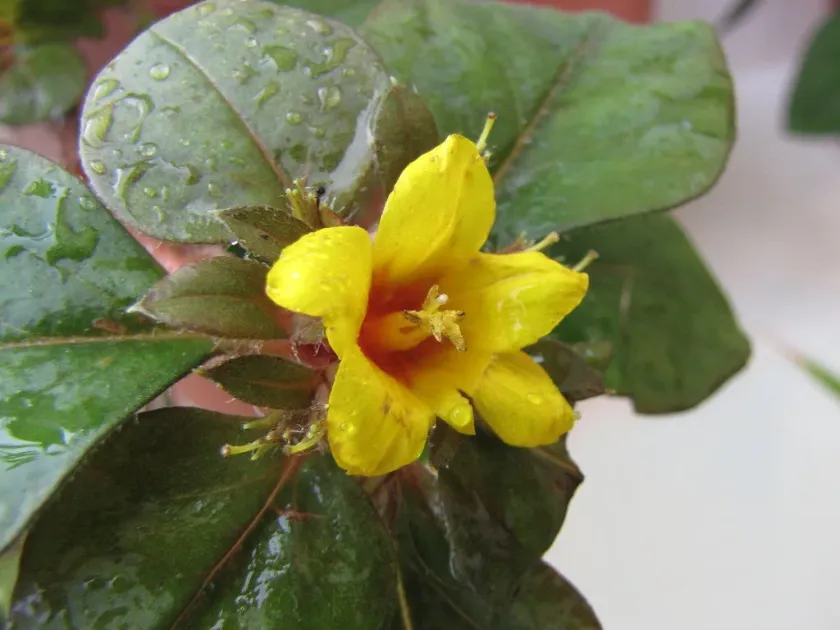
Description
Sowing dates
Lysimachia christinae is a member of the Primulaceae family. It is a perennial herbaceous plant characterized by its creeping, prostrate stems.
Propagation is primarily vegetative, achieved through division of the root system or by rooting the creeping stems, which naturally develop roots at the nodes.
For seed propagation, sow in the early spring using a light, well-draining seed mix, ensuring the seeds undergo cold stratification to improve germination rates.
Seedlings should be transplanted outdoors once the risk of frost has passed, typically late May, maintaining a spacing of 30x30 cm.
The plant spreads rapidly to create a dense ground cover, so growers must plan for spatial limitations to prevent the plant from dominating nearby crops.
Growing requirements
This species thrives in moist, fertile soils rich in organic matter, preferring a neutral or slightly acidic pH level for optimal nutrient uptake.
While Lysimachia christinae is shade-tolerant, it produces the highest biomass and displays the best decorative quality under partial to filtered sunlight.
Consistent soil moisture is critical for success; growers must provide regular irrigation, especially during dry spells, as the root system is relatively shallow.
The ideal temperature range for active growth is between 18 and 25 degrees Celsius, combined with relatively high atmospheric humidity.
In colder climates, applying a layer of organic mulch, such as peat or compost, is recommended to protect the root crowns from severe winter freezing.
Yield
The economic value of Lysimachia christinae lies in its use as a traditional herbal remedy, where the aerial parts of the plant are harvested for processing.
Yield depends heavily on plantation density, light exposure, and the strategic application of nitrogen-based fertilizers during the vegetative stage.
Commercial cultivation typically allows for two harvests per season, provided the stems are cut before they become woody and lignified.
The harvested herb must be dried in shaded, well-ventilated areas at temperatures below 40 degrees Celsius to preserve volatile oils and bioactive compounds.
Properly managed plantations can yield approximately 0.5–0.8 kg of high-quality dry herbal material per square meter during a single growing season.
Main diseases and pests
The plant is generally resilient, though excessive soil moisture can lead to root and stem rot infections, which often occur in poorly drained areas.
Slugs and snails are the most significant pests, as they consume the succulent foliage, negatively impacting both aesthetic value and total yield.
Disease management relies on ensuring proper drainage, avoiding waterlogging, and maintaining clean rows to discourage pest proliferation.
Biological pest control methods and mechanical traps are preferred over harsh chemicals, especially when the plant is intended for herbal use.
Regular monitoring of the plots, particularly in the morning, allows for the early detection and management of pest outbreaks before significant damage occurs.
Harvesting
Harvesting should be conducted during the peak flowering stage, which represents the period of highest concentration of beneficial phytochemicals.
Clean, sharp tools are used to harvest the aerial parts, leaving approximately 5–7 cm of the stem base to facilitate rapid regrowth and recovery.
Harvested material must not be exposed to direct sunlight for extended periods, as this degrades quality and causes unwanted discoloration of the leaves.
During the harvest process, laborers must remove any debris, soil, or damaged foliage to ensure the final product meets high purity standards.
Post-harvest, the material should be transported to the drying facility immediately, avoiding excessive stacking to prevent internal heat buildup and fermentation.