
Lysimachia barystachys
Lysimachia barystachys Bunge
Description
Growing requirements
Lysimachia barystachys Bunge is a perennial herbaceous plant belonging to the Primulaceae family. It is native to East Asia, primarily found in China, Korea, and the Russian Far East, typically inhabiting moist meadows and forest margins.
The plant thrives in fertile, moist, and well-drained soils. It exhibits excellent winter hardiness and can adapt to various soil types, provided they remain consistently moist. It is a robust species that does not require special winter protection in most temperate climates.
Ideal conditions for cultivation involve partial shade to full sun. While the plant can tolerate sunny locations, it performs best in regions with sufficient rainfall or supplemental irrigation. Excessive drought stress should be avoided to maintain the plant's decorative foliage and blooms.
Agronomic practices include spring fertilization with organic matter, such as compost, which helps maintain soil structure and provides necessary nutrients. Mulching is highly recommended to retain soil moisture and reduce competition from invasive weeds.
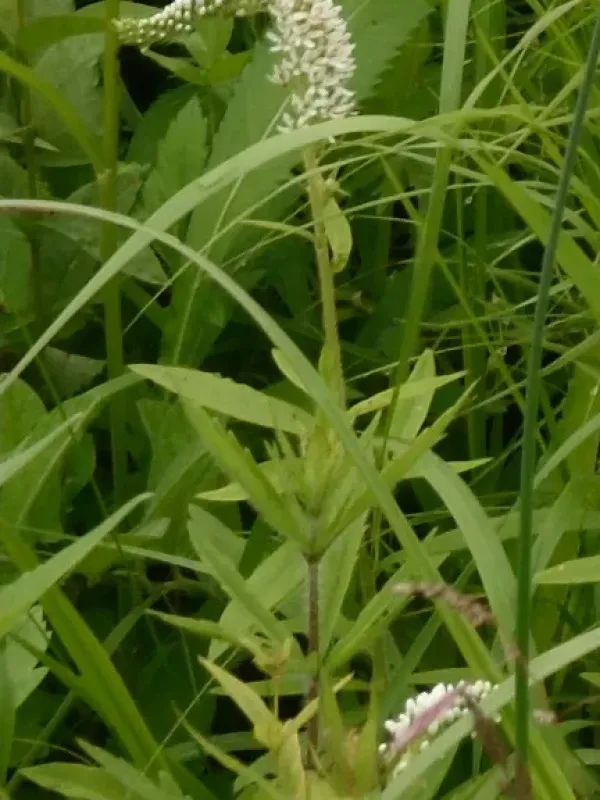
Lysimachia barystachys is primarily valued as an ornamental crop. Its unique, dense, spike-like white inflorescences make it a popular choice for water-side landscaping, perennial borders, and naturalistic garden designs due to its elegant appearance.
Main diseases and pests
Lysimachia barystachys is known for its high level of resistance to common ornamental plant diseases. It is considered a low-maintenance species that rarely requires intensive chemical intervention if planted in suitable environmental conditions.
In cases of poor air circulation or excessive soil moisture during hot weather, there is a minor risk of fungal issues like powdery mildew. Proper plant spacing and avoiding overhead irrigation during peak humidity periods help mitigate these risks effectively.
Insect pests, such as aphids, can occasionally infest the plant during the growing season. Early detection and the application of mild insecticidal soaps or biological control agents are usually sufficient to manage these infestations without harming the environment.
Slugs and snails may occasionally cause minor leaf damage, particularly in younger plants. Cultural practices such as maintaining clean borders and avoiding dense organic debris around the base of the stems are effective methods to discourage these pests.
Overall, the plant has a strong immune system and is not prone to major devastating pest outbreaks, making it an excellent candidate for sustainable and low-input garden management systems.