
Alfred's Loosestrife
Lysimachia alfredi Hance
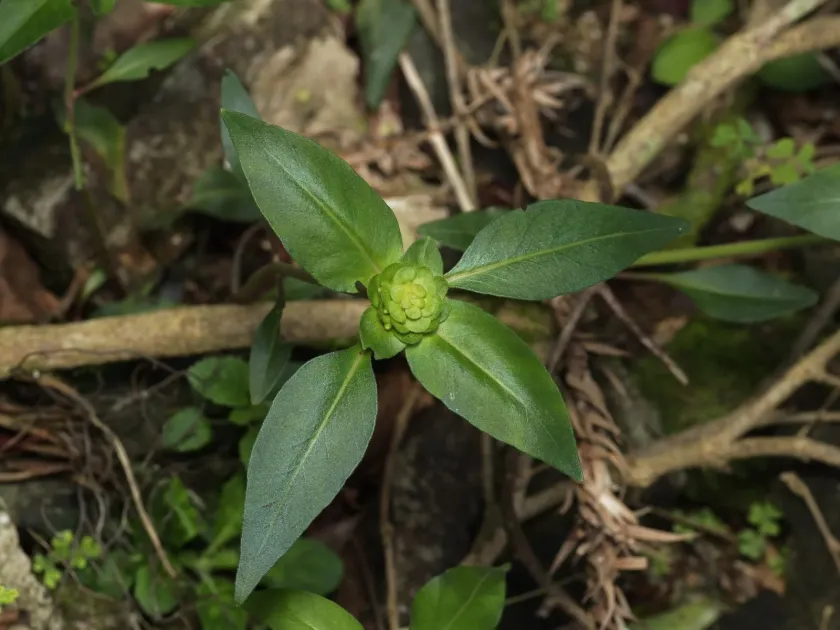
Description
Sowing dates
Sowing Lysimachia alfredi Hance is typically conducted in the spring using greenhouse facilities. Seeds benefit from a cold stratification period to improve germination rates, after which they are sown into a light, moisture-retentive substrate.
The seeds should be sown on the surface and pressed lightly into the soil. Maintaining a constant temperature of around 18-20 degrees Celsius is essential for successful sprout emergence, which usually occurs within three to four weeks.
Transplanting seedlings into individual containers is performed once the plants develop their first true leaves. This step is critical for developing a robust root system before the plants are moved to their permanent outdoor location.
Outdoor planting occurs when all risk of frost has passed. Selecting a site with partial shade is recommended to protect the young plants from direct, intense sunlight during the hottest part of the day.
Vegetative propagation via root division is also a highly effective and faster method for establishing new colonies, especially when working with mature, well-developed plants in the garden.
Growing requirements
Alfred's Loosestrife belongs to the Primulaceae family. It is a perennial herbaceous plant native to the humid forests and meadows of East Asia, primarily originating from parts of China.
This species thrives in nutrient-rich, moist, and well-drained soils. A slightly acidic to neutral pH is optimal, and the soil should ideally be amended with organic matter like compost to support vigorous growth.
Regarding climate, the plant prefers temperate conditions with consistent moisture levels. It is not highly drought-tolerant, so consistent watering is necessary, especially during peak growth months in summer.
Light requirements are best met with dappled shade or partial sunlight. While it can handle some exposure to sun, intense light often causes leaf scorching and requires increased irrigation efforts.
Mulching the area around the base of the plant is a recommended practice. It helps regulate soil temperature and ensures that moisture is retained effectively near the roots, reducing the need for constant daily watering.
Main diseases and pests
Aphids are a primary pest for this species, often clustering on the tender tips of the plants. Biological controls or mild insecticidal soaps are recommended to manage these populations without damaging the plant's health.
Powdery mildew can become an issue if plants are spaced too closely. This fungal disease is characterized by a white, flour-like growth on the leaves, which is exacerbated by high humidity and poor ventilation.
Slugs and snails often feed on the foliage during wet spells. Barriers such as crushed eggshells or physical traps can be used to protect the young leaves from significant damage.
Root rot is a common threat in poorly drained soils. Ensuring that the soil remains moist but not waterlogged is the best preventive measure against various soil-borne pathogens that target the roots.
Weed management is necessary to reduce competition for nutrients. Regular manual weeding around the plants also improves airflow, which is critical for preventing the development of fungal infections.
Harvesting
Harvesting for medicinal use should be done during the full flowering stage. This is when the concentration of biologically active compounds in the leaves and stems is at its absolute peak.
The aerial parts are harvested using clean, sharp tools. Cutting the stems should be done carefully to allow for healthy regrowth, which may yield a second, smaller harvest later in the season.
After the harvest, the material must be dried promptly. Shade drying in a well-ventilated area is essential to prevent degradation of the active components by direct ultraviolet radiation.
Once fully dried, the plant material should be inspected for quality and stored in airtight, moisture-proof containers. Proper storage in a dark, cool place preserves its potency for up to two years.
Consistent harvest cycles help maintain the health of the patch, as regular trimming can prevent the plant from becoming overgrown and overcrowded, which might otherwise lead to reduced vigor.