
Spotted loosestrife
Lysimachia punctata L.
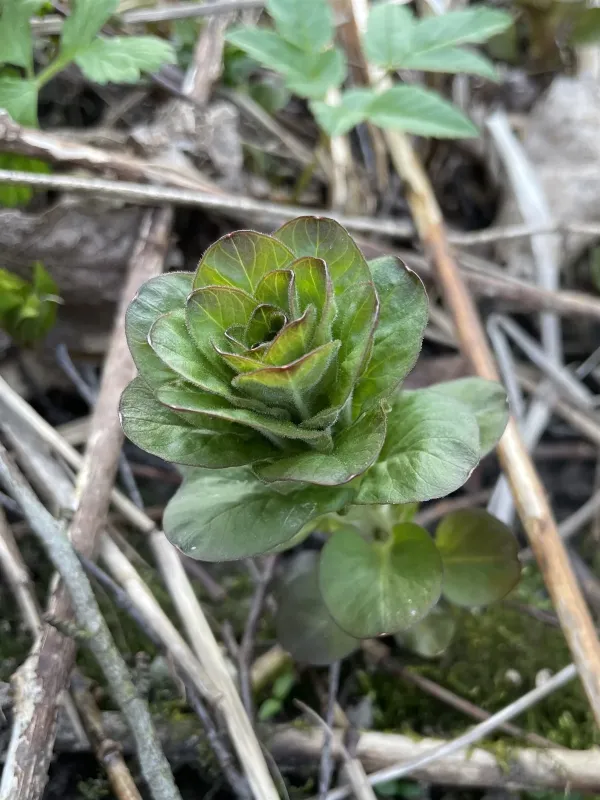
Description
Growing requirements
Spotted loosestrife (Lysimachia punctata L.) is a herbaceous perennial belonging to the Primulaceae family. It is widely recognized in agriculture and ornamental horticulture for its robust growth habit and ease of propagation, often forming extensive colonies in suitable environments.
Native to southeastern Europe and Asia Minor, the species has naturalized in various temperate regions globally. It exhibits excellent winter hardiness and adapts well to diverse landscape conditions, provided that basic moisture requirements are consistently met throughout the growing season.
The crop thrives in nutrient-rich, consistently moist soils. While it shows remarkable tolerance to heavy clay, it prefers loam with adequate organic matter to support its rapid development. Maintaining soil moisture is critical, especially during the peak of the summer heat.
Although it performs best in full sun, it is capable of growing in partial shade, making it a versatile choice for different field or garden settings. Exposure to direct sunlight during peak hours generally results in more vigorous flowering, provided the root zone remains sufficiently hydrated.
Agronomic management focuses primarily on periodic division of the rootstocks. Every three to four years, the clumps should be lifted and divided to prevent overcrowding and to maintain the vigor and quality of the stand, ensuring continuous health and performance of the crop.
Main diseases and pests
Spotted loosestrife is generally considered a disease-resistant crop. However, in poorly ventilated areas or conditions of high humidity, the plant may occasionally be affected by powdery mildew, which manifests as a white dusty coating on the foliage.
Aphids are the most common pests encountered during the active growing season. These insects cluster on tender shoots and flower spikes, potentially weakening the plant if left untreated. Targeted application of insecticides is often necessary to curb significant infestations.
Slugs and snails can occasionally cause damage to young, emerging foliage during the spring. Implementing physical barriers or applying approved molluscicides can effectively mitigate the damage caused by these gastropods in damp field conditions.
Root rot remains a potential threat if the planting site lacks proper drainage. Ensuring that the soil does not remain waterlogged is the primary preventative measure against soil-borne pathogens that thrive in stagnant conditions, which could compromise plant vitality.
Monitoring the planting for signs of stress is essential for successful management. Using a balanced approach of proper spacing and integrated pest management (IPM) practices ensures the longevity of the plant stand and reduces the need for frequent chemical intervention.