
Coriaceous Peony
Paeonia coriacea
Description
Growing requirements
The Coriaceous Peony (Paeonia coriacea) is a perennial herbaceous plant belonging to the Paeoniaceae family. Originating from the mountainous regions of Southern Spain and Morocco, it is a botanical gem known for its resilience and unique leather-like foliage.
In terms of cultivation, this plant requires well-drained, fertile, but not excessively wet soil. It thrives in sunny locations but can tolerate partial shade, provided it receives sufficient light to support its robust growth and healthy flower formation.
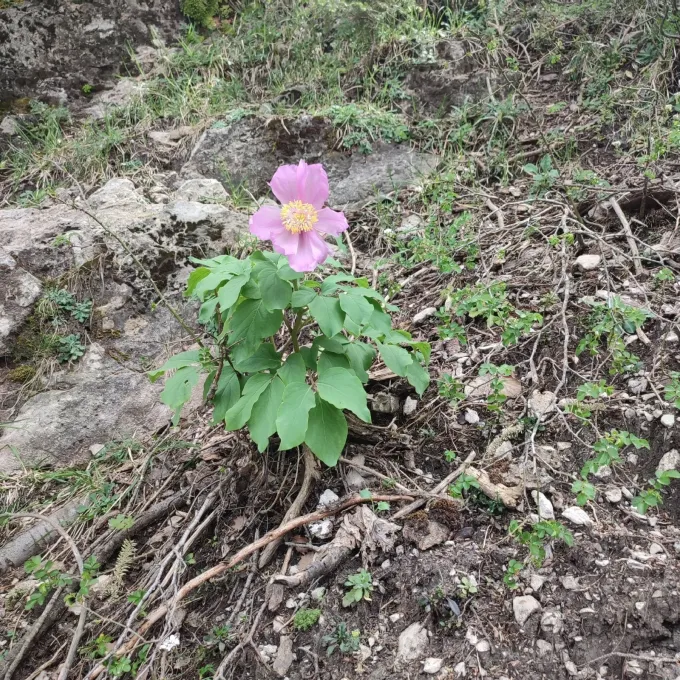
Soil structure is critical for this species. Gardeners should ensure the substrate is neutral or slightly alkaline, adding grit or small pebbles to enhance drainage. This mimics the rocky, sloping natural habitats where this peony typically establishes its root system.
The plant exhibits distinctive botanical traits, including thick, leathery leaves and solitary, vibrant magenta-purple flowers. These features make it a highly desirable species for specialized rock gardens and xeriscaping projects in temperate climates.
While not a traditional industrial crop, its value lies in ornamental horticulture and botanical conservation. It is an excellent choice for enthusiasts looking to add rare, high-altitude aesthetics to their gardens while ensuring correct environmental mimicry.
Main diseases and pests
The primary threat to the Coriaceous Peony is fungal infection, particularly gray mold (Botrytis), which can devastate the stems and blooms during damp, cool weather. Proper spacing and airflow are essential management tools to mitigate these risks.
Root rot is a major danger caused by poor drainage. Growers must prioritize preventing water stagnation around the crown, especially during the dormant winter months when the plant is most vulnerable to moisture-related decay.
Insect pests, such as aphids and spider mites, can colonize the plant during the active growth phase. Integrated pest management, including the use of neem oil or targeted insecticides, should be employed to prevent significant foliage damage.
Nematodes are another potential threat that can affect the root system, causing stunted growth and poor overall health. Using sterile compost and healthy initial stock is the most effective preventative measure against these soil-borne pests.
Environmental stress, such as extreme temperature fluctuations without proper mulch protection, can also weaken the plant. Regular monitoring of both foliage and soil moisture levels is necessary to maintain the plant's vigor throughout the season.