
Clusius peony
Paeonia clusii
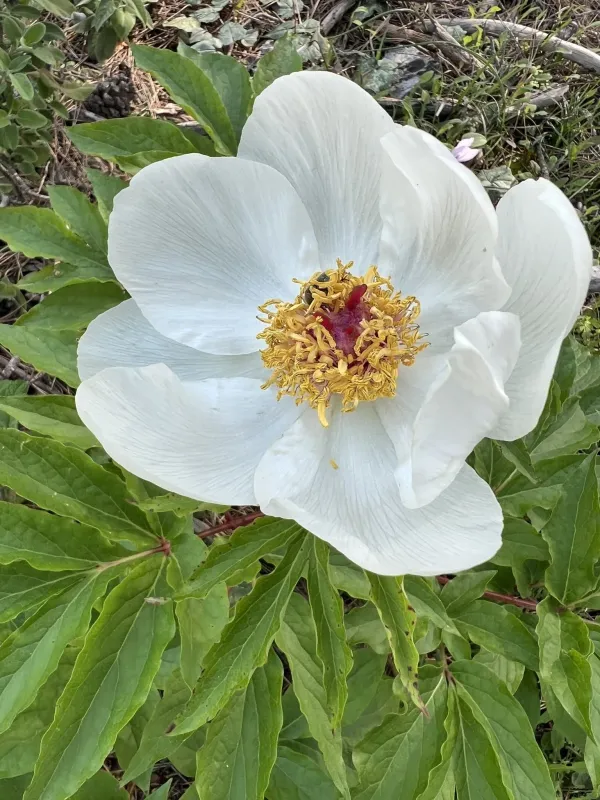
Description
Growing requirements
The Clusius peony (Paeonia clusii) is a herbaceous perennial plant belonging to the Paeoniaceae family. This species is native to the island of Crete, where it predominantly grows in rocky mountain habitats, exhibiting a high degree of adaptation to the unique Mediterranean environment.
Cultivating this peony successfully requires replicating its native environment. It demands full sun exposure, although some light shade during the hottest hours of the afternoon is beneficial to prevent leaf scorch in drier or inland garden climates.
Soil structure is the most critical factor for success. The plant thrives in loose, gritty, and fast-draining soil that is neutral to slightly alkaline. Any accumulation of moisture near the root crown is lethal, so proper drainage is absolutely essential for its survival.
Regarding climate requirements, the Clusius peony prefers mild winters and dry, warm springs. In regions with harsher winters, gardeners must provide protective mulching for the crown to prevent frost damage to the dormant buds that form the basis for next year’s growth.
Watering management should be precise. While the plant requires moisture to establish, it is highly susceptible to root rot during periods of high humidity. It is best to water the soil directly, keeping the foliage dry to prevent common foliar diseases.
Main diseases and pests
The primary threat to the Clusius peony is fungal infection, most notably Botrytis blight. This condition often thrives in poorly ventilated or excessively damp conditions, causing the stems to wilt and the flower buds to collapse before opening.
Root rot, driven by stagnant water in the soil profile, is a constant threat. To mitigate this risk, it is recommended to integrate coarse sand or small gravel into the planting site to ensure that excess water drains away from the rhizomes promptly.
Aphids can be a recurring nuisance, clustering on young stems and developing buds. Gardeners should monitor the plant closely in early spring and treat with appropriate horticultural soap or systemic insecticides if the population begins to compromise plant health.
Leaf spots are another common issue, particularly in late summer. These are typically caused by fungi and can lead to early defoliation. Ensuring good air circulation around the plants significantly reduces the incidence of these cosmetic and structural issues.
Sanitation is key to managing health. At the end of the season, all foliage should be cut back and removed from the site to destroy potential overwintering spores of pathogens, ensuring a fresh and disease-free start for the following spring.