
Brotero's peony
Paeonia broteri
Description
Growing requirements
Brotero's peony is an herbaceous perennial belonging to the Paeoniaceae family. It is native to the Iberian Peninsula, where it typically inhabits woodland clearings and mountain meadows in Spain and Portugal, adapting to the specific local climate conditions.
To cultivate this species successfully, growers must prioritize well-draining soil. It thrives in loamy or stony soils that prevent waterlogging, as the fleshy root system of the peony is highly susceptible to rot if kept in consistently damp or heavy clay conditions.
Environmental requirements for this plant include dappled shade or partial sunlight. In its natural range, it benefits from the shelter provided by Mediterranean oaks or scrubland, so mimicking these conditions with light shade cover is ideal for optimal health and vigor.
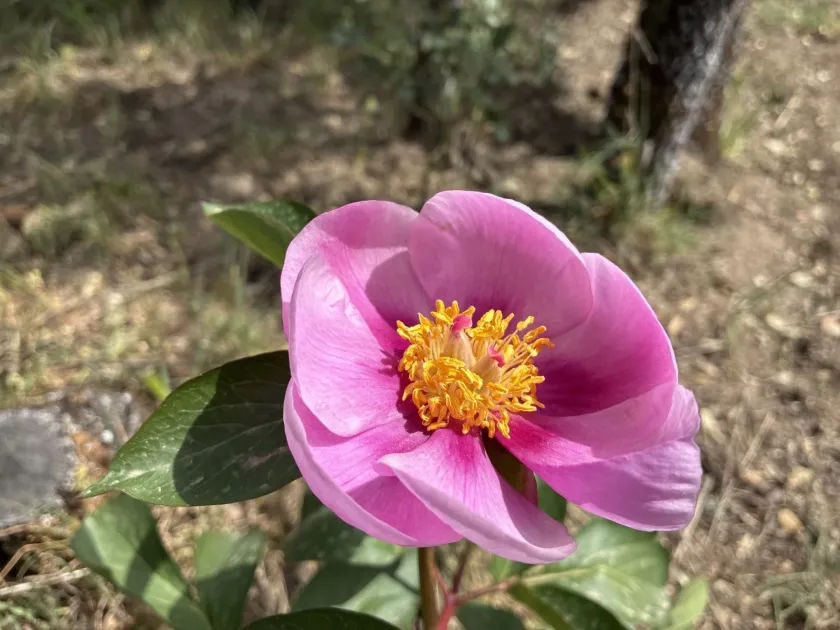
Botanically, the plant is characterized by its early spring blooms, which display deep rose or purplish petals and distinctive, glaucous green foliage. Its slow-growing nature makes it a stable, long-lived resident once established in a suitable spot in the garden.
In terms of use, Brotero's peony is primarily a plant for connoisseurs and botanical collections. It is rarely found in mass-market gardening, making it a precious asset for specialists looking to introduce biodiversity and native Mediterranean flair into their landscape designs.
Main diseases and pests
The primary threats to this plant are fungal pathogens such as Botrytis, which can cause significant damage during humid spring weather. Ensuring good air circulation around the foliage and avoiding over-mulching near the base of the plant are critical preventative measures.
Pests such as aphids and nematodes may also affect the plant's health. While aphids are generally manageable through manual removal or soap-based sprays, soil-borne pests require careful soil preparation and the use of healthy, disease-free nursery stock to prevent infestations.