
Paeonia arietina
Paeonia arietina
Description
Sowing dates
Propagation of Paeonia arietina is best achieved through division of the rootstock, which should be performed in late summer or early autumn. This timing allows the plant to establish new roots before the onset of winter.
Seed propagation is possible but requires patience, as the seeds need a period of cold stratification. It is recommended to sow them directly into the ground after harvesting to allow natural cycles to trigger germination.
When planting divisions, ensure that each piece has at least three to five strong buds. Proper spacing of 75 to 90 centimeters is crucial to facilitate airflow and prevent overcrowding as the plant matures.
The planting depth is a critical factor for success; the buds should be set about 5 centimeters below the soil surface. Improper depth is a common cause of poor blooming performance in this species.
Newly planted specimens require consistent moisture during their first growing season to establish a robust root system. Once settled, they become relatively drought-tolerant and thrive with minimal intervention.
Growing requirements
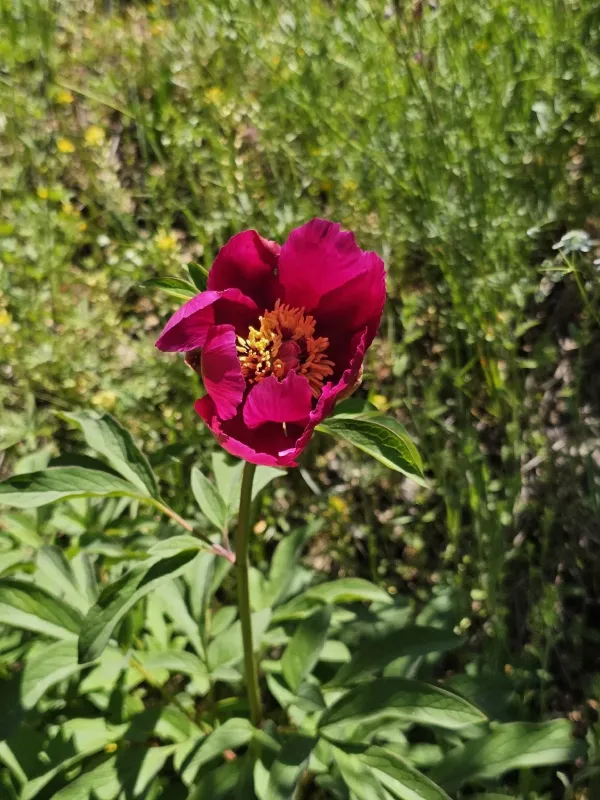
Paeonia arietina is a member of the Paeoniaceae family and is recognized for its unique, deeply lobed foliage and vibrant flowers. It originates from rocky slopes and mountain meadows in the Balkan Peninsula.
The plant thrives in full sun but appreciates some light protection from intense afternoon heat in warmer climates. It is highly valued for its hardiness and ability to endure colder temperature ranges.
A well-drained, fertile soil is essential for the healthy development of this perennial. The plant performs best in neutral to slightly alkaline conditions and detests waterlogged soils that lead to root rot.
Nutrient management involves applying a balanced fertilizer in the early spring as new shoots emerge. A secondary application post-blooming supports the development of the following year's flowering buds.
Regular maintenance tasks such as weeding and surface mulching help maintain moisture levels and soil structure. Keeping the area free of debris helps ensure that the plant stays healthy and vigorous.
Main diseases and pests
Botrytis, or gray mold, is the most common fungal issue for this peony, especially in humid and cool weather. Prompt removal of affected tissues and improving garden ventilation are the primary defense strategies.
Pests such as aphids and thrips can occasionally cause damage to tender buds. Monitoring the plants during the early spring allows for early detection and intervention using organic or mild chemical controls.
Root rot caused by Phytophthora is a serious concern in poorly drained soils. Ensuring the site has excellent drainage is the best preventative measure against this often irreversible condition.
Rust diseases may manifest as discolored spots on the leaves during wet summers. Clearing and destroying all foliage in autumn prevents the spores from overwintering and reinfecting the plant.
General hygiene in the garden, including tool disinfection and proper spacing, significantly reduces the likelihood of these common threats affecting your Paeonia arietina collection.