
Paeonia anomala
Paeonia anomala
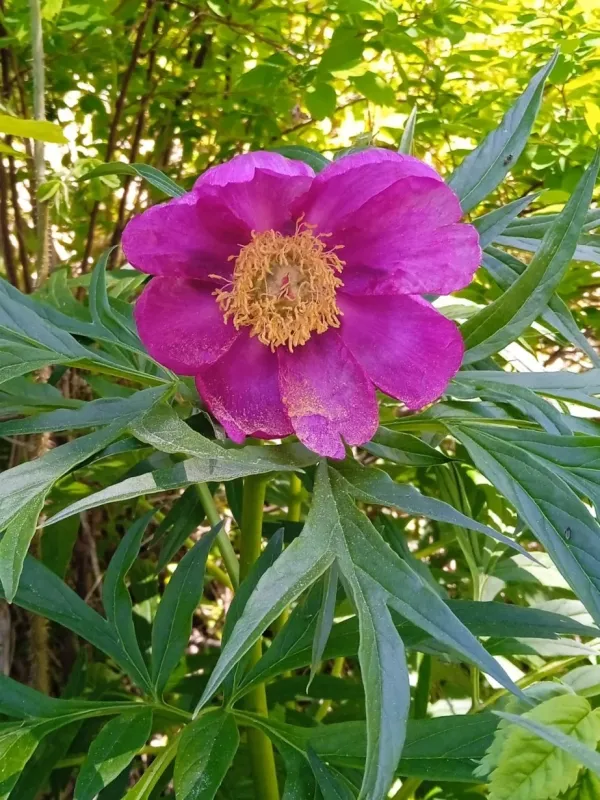
Description
Sowing dates
Paeonia anomala is primarily propagated through vegetative division of the rootstock, which allows for the preservation of its medicinal properties and uniform plant growth.
The ideal time for planting or dividing the rhizomes is during the late summer or early autumn, typically between late August and September, before the soil temperature drops significantly.
Seed propagation is less common in commercial farming due to the species' complex seed dormancy, requiring specific warm and cold stratification cycles to germinate.
When using seeds, they are often sown directly into outdoor beds in the fall, with emergence typically occurring during the second growing season after sowing.
For successful root division, each section must contain at least three to five healthy vegetative buds, which should be planted at a shallow depth of approximately 5 to 7 centimeters.
Growing requirements
As a member of the Paeoniaceae family, Paeonia anomala thrives in open, sunny locations, though it benefits from partial shade during the peak heat of the day.
The crop requires fertile, well-draining loamy soils with a neutral or slightly acidic pH balance to ensure optimal development of its extensive root system.
Proper drainage is critical, as stagnant water in the soil can quickly lead to rhizome rot, making it unsuitable for heavy, waterlogged clay areas without soil amendments.
Native to the forest regions of Siberia and parts of Central Asia, the plant is exceptionally winter-hardy and well-adapted to extreme temperature fluctuations.
Regular maintenance including weeding and moisture-retaining mulching is recommended during the initial growth phases to ensure consistent plant vitality.
Yield
The primary economic output of Paeonia anomala is its root system, which is harvested for its pharmacological compounds, including essential oils and glycosides.
Harvesting for commercial use typically begins five to seven years after planting, ensuring that the rhizomes have matured sufficiently to accumulate active ingredients.
Yield capacity is influenced by soil quality and proper space management; in optimal conditions, it provides a consistent supply for the pharmaceutical sector.
After excavation, the raw roots undergo a cleaning and drying process, resulting in a significant reduction in weight by approximately 70 percent to reach final dry matter.
Beyond its medicinal role, the species is highly valued in ornamental horticulture for its early spring blooms and extreme resilience in cold climates.
Main diseases and pests
Grey mold (Botrytis) represents the most significant threat to the crop, especially in humid conditions, causing damage to stems, foliage, and developing flower buds.
Leaf rust can impact plant health during wet summers, requiring proactive fungicide treatments and the immediate removal of any infected plant material from the field.
Common pests like aphids and ants can interfere with plant development and act as vectors for viral diseases that may compromise the health of the entire plantation.
Root-knot nematodes can cause unseen damage to the rhizomes, leading to stunted plant growth and reduced chemical content in the medicinal parts of the plant.
Maintaining proper spacing between plants is essential to ensure adequate airflow, which is a key preventive strategy against most fungal and bacterial infections.
Harvesting
Root harvesting is executed in the autumn after the vegetative top-growth has withered, ensuring the peak concentration of medicinal compounds within the roots.
The roots are carefully dug out of the soil, thoroughly cleaned of dirt and organic debris, and washed in cold water to prepare them for the dehydration process.
Drying is performed in climate-controlled areas or industrial dryers at temperatures not exceeding 60 degrees Celsius to prevent the degradation of chemical constituents.
The final product must be stored in cool, dry, and ventilated conditions to maintain its shelf life and potency for up to three years after the initial harvest.
Sustainable harvesting practices, such as rotational digging, are strictly recommended to ensure the long-term survival and propagation of the medicinal plant population.