
Aeranthes ramosa
Aeranthes ramosa
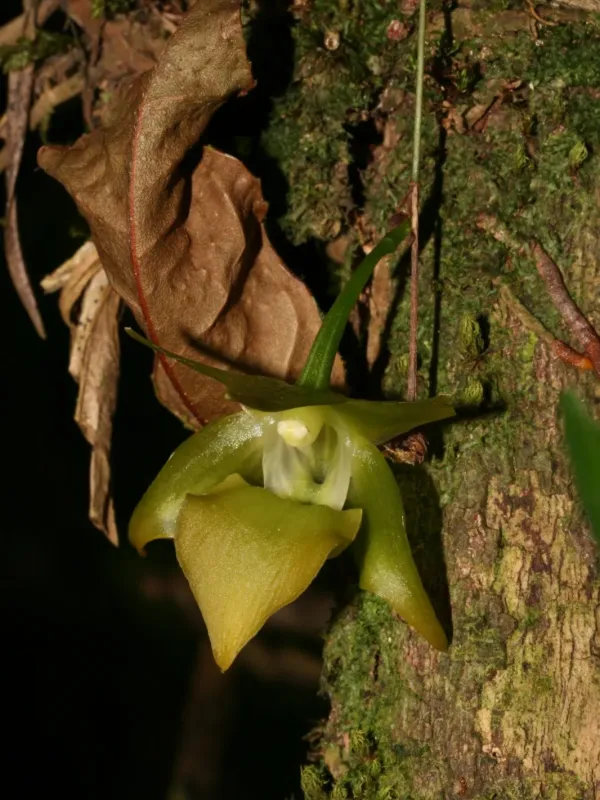
Description
Growing requirements
Aeranthes ramosa is a specialized orchid species belonging to the Orchidaceae family. Originating from the tropical rainforests of Madagascar, this plant has adapted to an epiphytic lifestyle, growing high in the canopy where it accesses filtered sunlight and consistent moisture.
To cultivate this species effectively, one must replicate its natural environment. The primary requirement is a high level of ambient humidity, ideally kept between 70% and 80%, to support the health of the plant's delicate root system and foliage.
Temperature management is critical for Aeranthes ramosa. It prefers moderate conditions with daytime temperatures ranging from 22°C to 26°C and slightly cooler nights. These temperature fluctuations are essential for the plant's metabolic processes and overall vitality.
Lighting should be bright but strictly indirect. Excessive exposure to direct sunlight will scorch the leaves and weaken the plant. In a domestic or greenhouse setting, placing the orchid in a well-lit location with sheer curtains or shading mesh is the best approach.
The potting medium must prioritize drainage and aeration. Because Aeranthes ramosa is an epiphyte, it performs best when mounted on cork bark or grown in a loose, coarse-grade orchid mix consisting of pine bark, charcoal, and perlite to prevent root suffocation.
Main diseases and pests
Fungal pathogens are the most common threat to Aeranthes ramosa. These usually manifest as root or crown rot, triggered by overwatering or insufficient air circulation. Keeping the plant in a stagnant, humid environment without proper airflow invites disease.
Pests such as scale insects and mealybugs can infest the plant, hiding in leaf axils where they suck sap and weaken the orchid. Regular inspections and the use of insecticidal soaps or systemic treatments are necessary to control these infestations before they spread.
Spider mites are another significant threat, particularly in environments where the humidity drops too low. They cause stippling on the leaves and can significantly reduce the photosynthetic capacity of the plant if left unchecked.
Bacterial spots may appear as watery lesions on the leaves. These require immediate action, including the removal of affected tissues and the application of bactericides to prevent the spread of the infection to the rest of the specimen.
Poor water quality can also be a silent threat. Aeranthes ramosa is sensitive to high salt concentrations found in tap water. Using pure water, such as reverse osmosis or collected rainwater, prevents chemical damage to the root tips and maintains optimal substrate health.